Key Specifications of Plasma Electric Lighters

Contact me immediately if you encounter problems!

All Categories

plasma electric lighter

Plasma electric lighters are innovative tools that utilize plasma technology for ignition, offering a safer and more efficient alternative to traditional lighters. For B2B buyers, understanding the specifications, quality control processes, and common issues associated with these lighters is crucial for making informed purchasing decisions. This article will provide valuable insights into what to look for when sourcing plasma electric lighters, ensuring you choose products that meet your operational needs and quality standards.
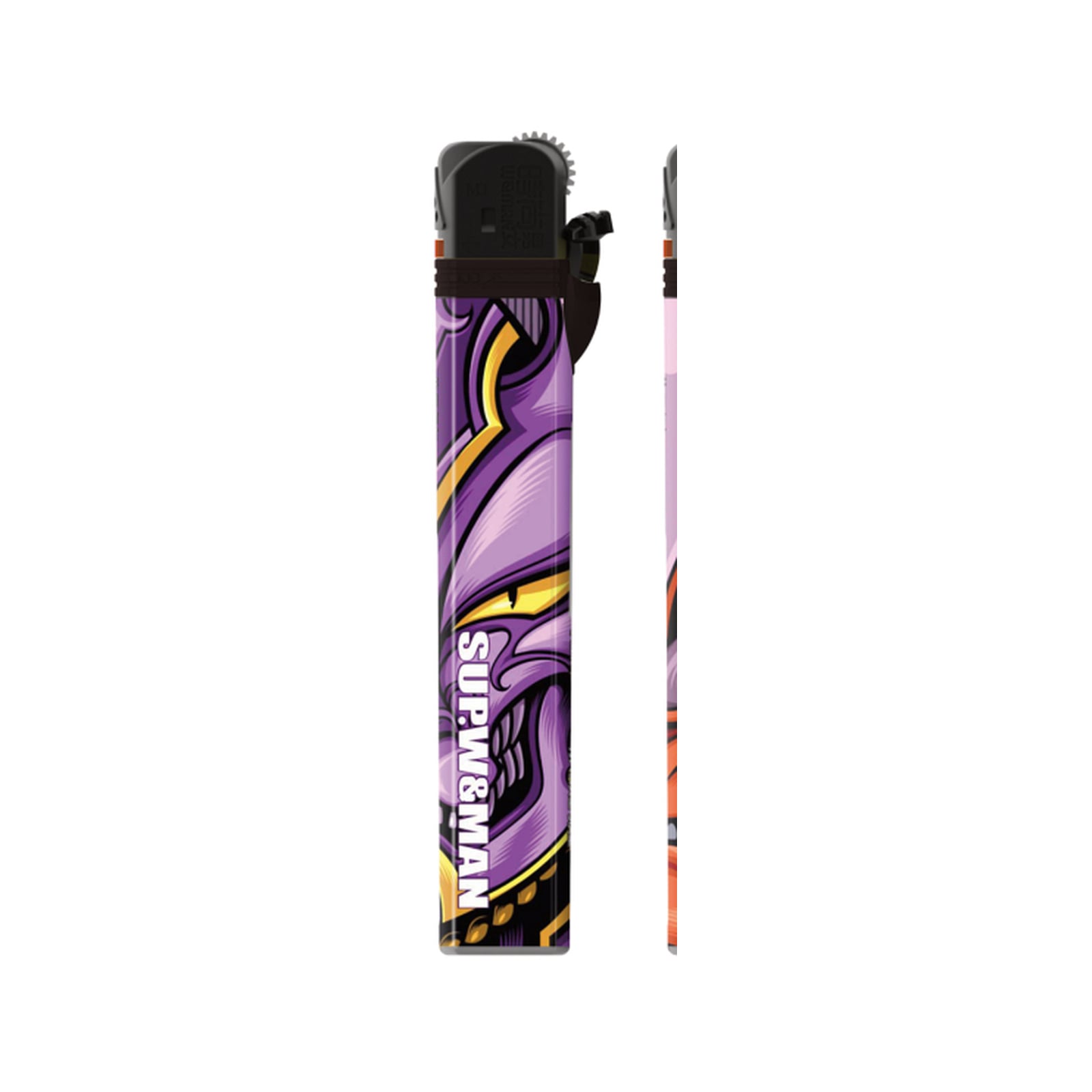
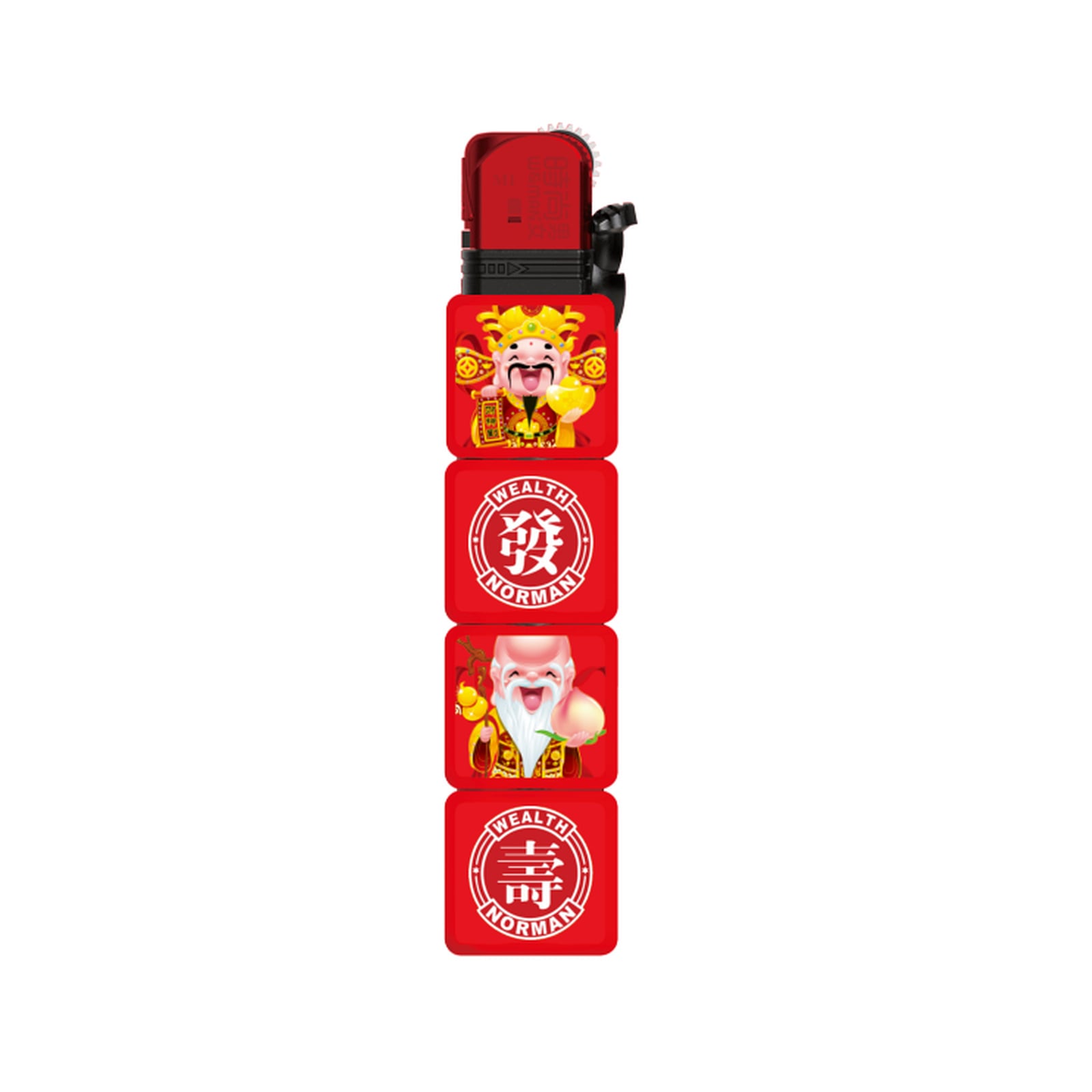
Our Products

Understanding the Quality Control Process for Plasma Electric Lighters

Understanding the Quality Control Process for Plasma Electric Lighters

Quality control is vital in the production of plasma electric lighters to ensure reliability and safety. Here’s how the process typically works:

Incoming Material Inspection: All raw materials undergo rigorous inspection to verify that they meet specified standards. This step is crucial as the quality of materials directly affects the performance and durability of the final product.

In-Process Quality Checks: During manufacturing, various checks are performed at different stages. This can include testing the ignition mechanism, verifying dimensions, and ensuring that safety features function correctly.

Final Product Testing: Before shipment, each lighter should undergo comprehensive testing. This often includes checking for battery life, arc performance, and safety features. Some manufacturers may provide sample units for buyer approval before full production runs.

Certification Compliance: Buyers should confirm that the manufacturer complies with relevant safety and quality certifications, which may vary by region. This adds an additional layer of assurance regarding product quality.
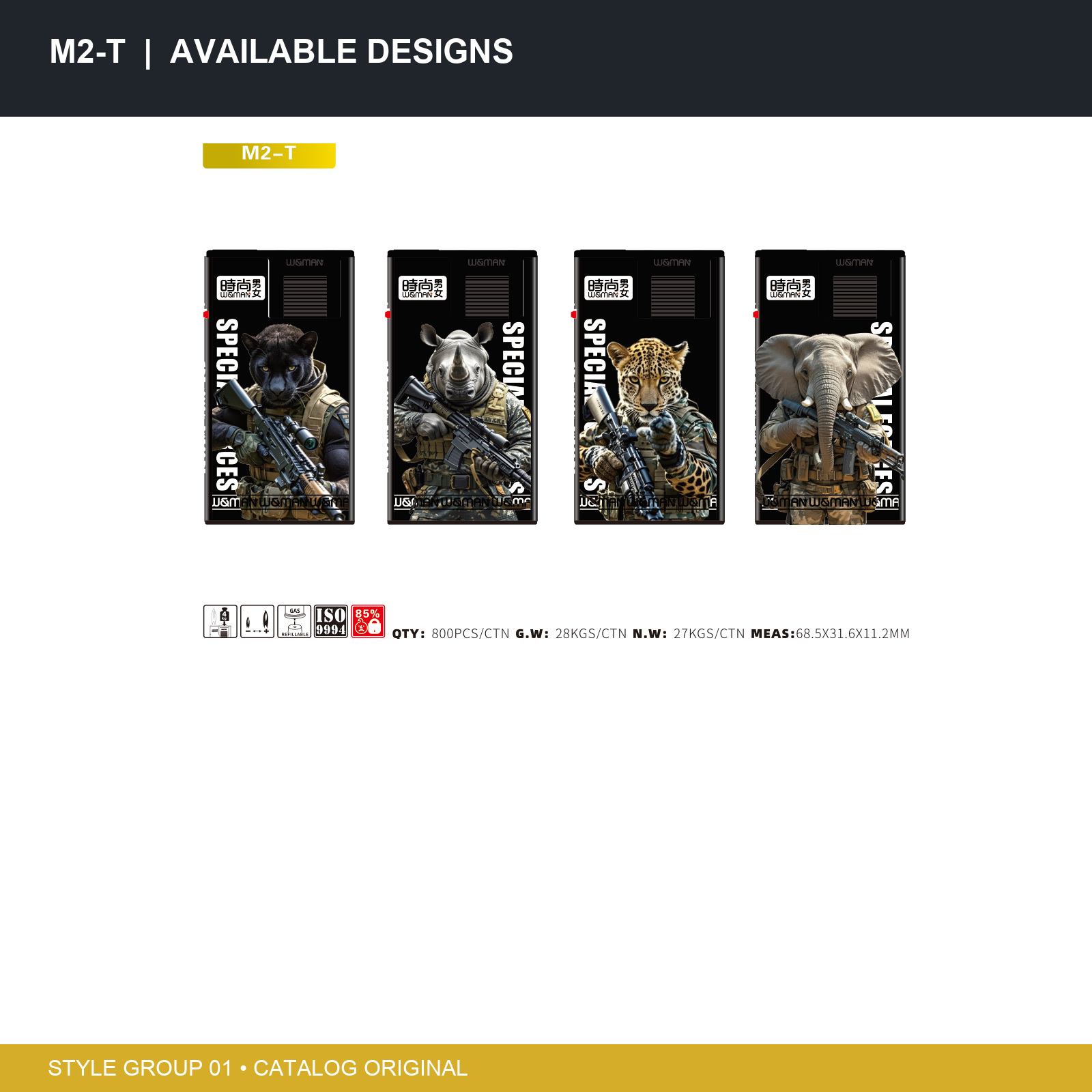
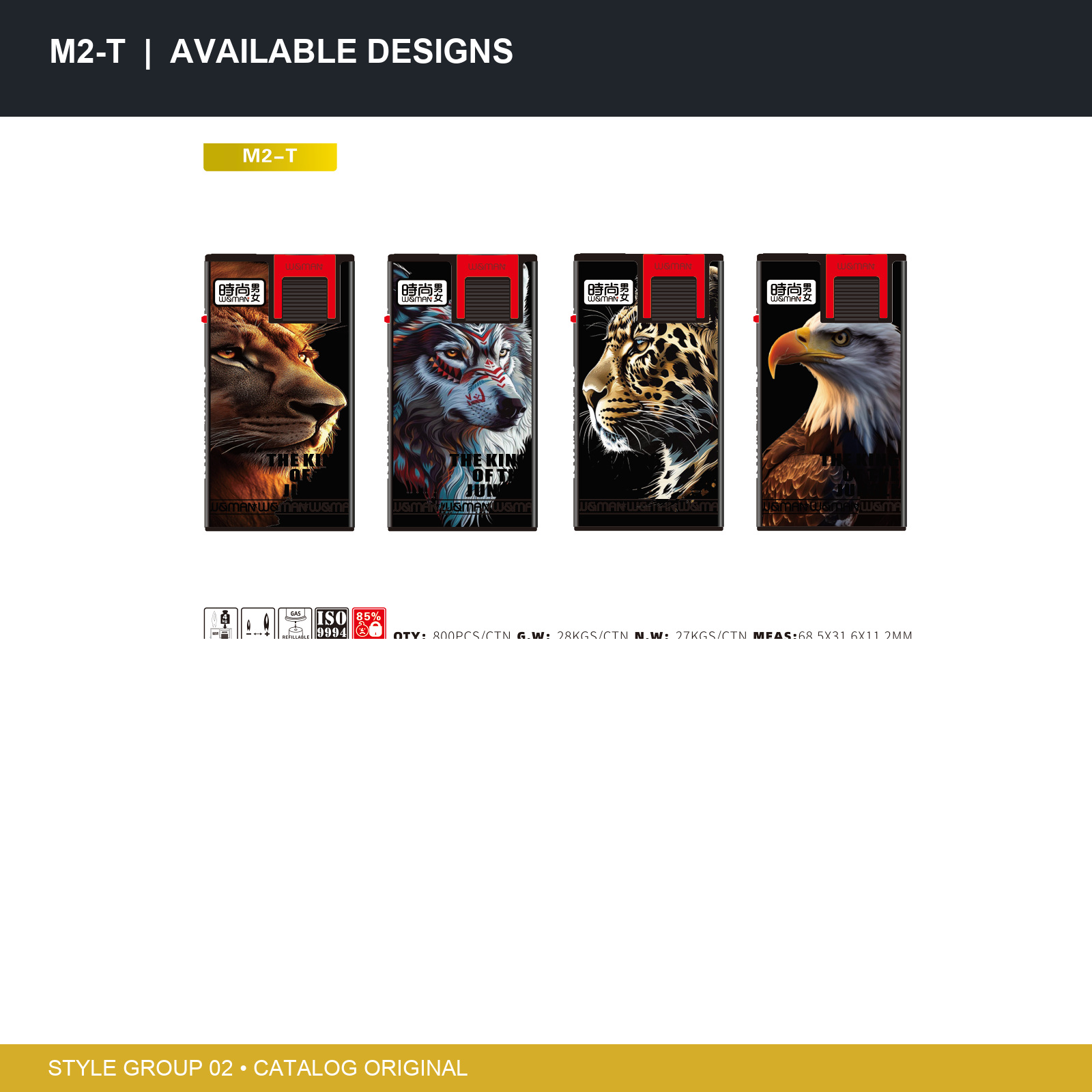
Common Problems with Plasma Electric Lighters and Effective Solutions

Common Problems with Plasma Electric Lighters and Effective Solutions

Understanding potential issues with plasma electric lighters can help buyers mitigate risks:

Battery Malfunction: One common issue is battery failure, which can occur due to improper charging or manufacturing defects. Buyers should ensure that the manufacturer provides clear guidelines on optimal charging methods and battery care.

Arc Performance Issues: Sometimes, the arc may become weak or fail to ignite. This can be caused by dirt or moisture in the ignition area. Buyers should be advised on proper maintenance, such as keeping the lighter clean and dry. Opting for a lighter with a Turbo Flame feature may help with consistent performance.

Durability Concerns: While plasma lighters are generally robust, poor-quality materials can lead to breakage. Buyers should seek lighters made with high-quality materials that are tested for durability.

User Error: In some cases, improper use can lead to performance failures. Providing clear instructions on how to use and maintain the lighter can help reduce user-related problems.

Features and Benefits for Buyers

Features and Benefits for Buyers

Plasma electric lighters offer several advantages that can appeal to various commercial applications:

Windproof and Waterproof: Unlike traditional lighters, plasma lighters are less affected by wind and water, making them suitable for outdoor use and in adverse weather conditions.

Rechargeable Convenience: With rechargeable batteries, these lighters eliminate the need for disposable fuel sources, reducing waste and ongoing costs.

Eco-Friendly Option: As they don’t use fossil fuels, plasma lighters can be marketed as a more environmentally friendly option, appealing to companies focused on sustainability.

Versatile Applications: These lighters can be used in a variety of settings, from restaurants and bars to outdoor events and promotional giveaways, making them a versatile product for many businesses.

Expert Insights on Material Advantages in Plasma Electric Lighter Design

The choice of materials in plasma electric lighter design plays a significant role in performance and durability:

Plastic vs. Metal Casings: While plastic casings are lightweight and cost-effective, metal casings can offer superior durability and a premium feel. Buyers should consider the intended use; for promotional items, an attractive metal finish might enhance brand perception.

Internal Components: The quality of internal components, such as the ignition coil and battery, affects the lighter's performance. High-grade components can ensure consistent ignition and longevity, making them a worthwhile investment.

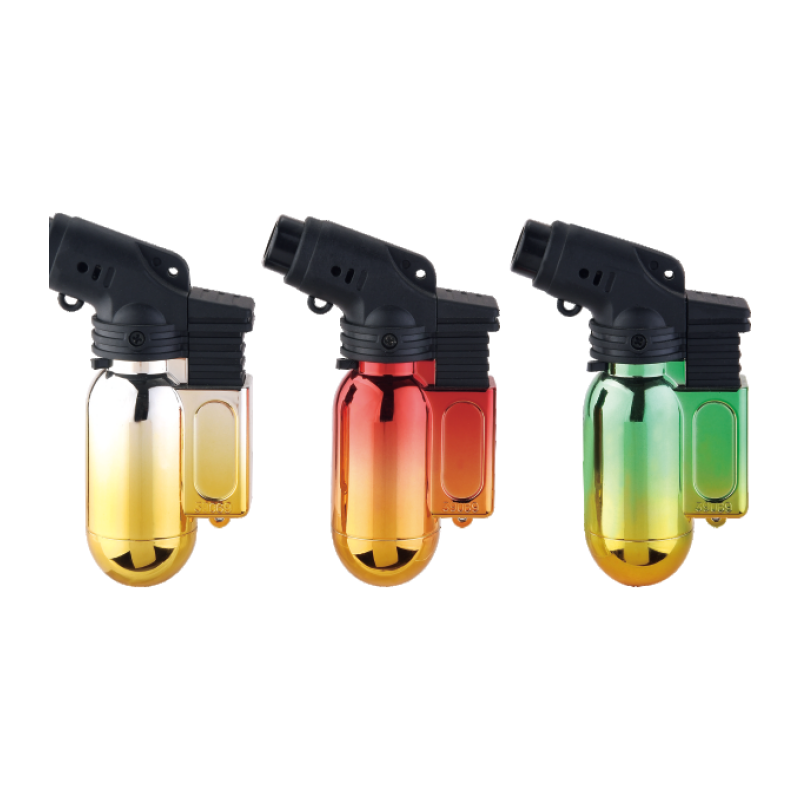
Surface Treatments: Surface finishes can enhance the lighter’s aesthetic appeal and provide additional protection against scratches or wear. Buyers should inquire about available finishes and their impact on the product’s durability.

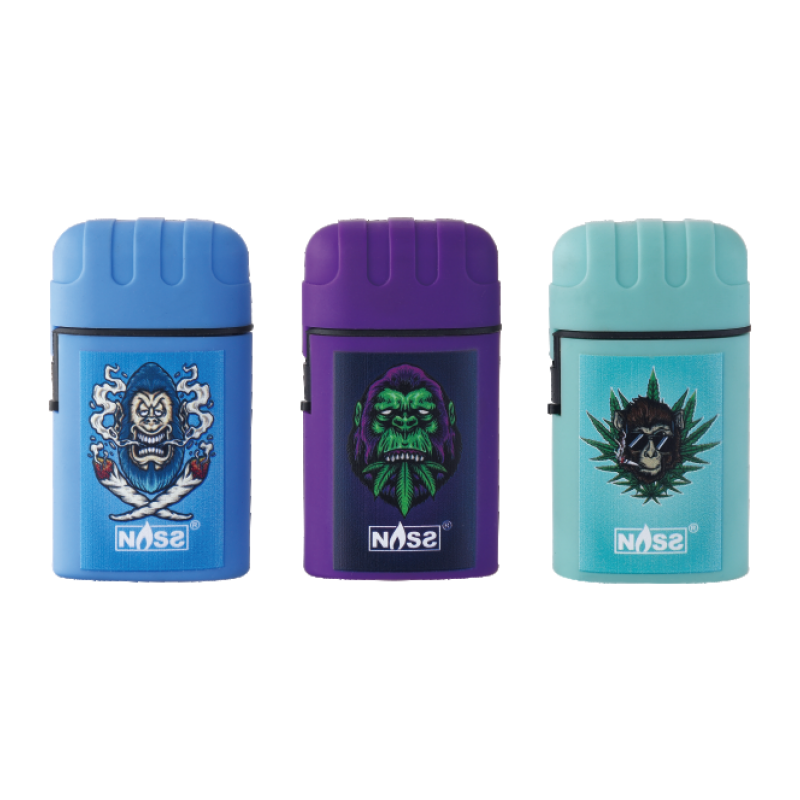
Customization Options: Many manufacturers offer customization in terms of colors, engravings, or branding. This flexibility can help businesses create unique promotional products that stand out in the market.

By focusing on these aspects, buyers can make informed decisions when sourcing plasma electric lighters, ensuring they select products that meet their operational needs and quality expectations. Whether considering specifications, quality control, common issues, or material choices, understanding these elements will facilitate smoother purchasing processes and better product selection.

Key Specifications to Evaluate When Sourcing Plasma Electric Lighters

When sourcing plasma electric lighters, there are several key specifications to consider:

Ignition Technology: The primary feature of plasma electric lighters is their ignition method. Unlike traditional lighters, which use a flame, plasma lighters create an electric arc. Buyers should confirm the arc's voltage and stability, as these factors affect how easily the lighter ignites combustible materials. For example, the Jet Flame option offers a powerful ignition arc.

Battery Capacity: The capacity of the rechargeable battery is critical. A higher capacity indicates longer usage time between charges. Buyers should inquire about the battery's lifespan and any specific charging requirements.

Material and Build Quality: The materials used in the lighter's construction impact durability and user experience. Look for lighters made from robust plastics or metals that can withstand wear and tear in commercial environments.

Safety Features: Safety mechanisms are essential to prevent accidental ignition. Buyers should evaluate features such as child safety locks and automatic shut-off functions to ensure the products meet safety standards.

Size and Design: The dimensions and design can affect usability and portability. Ensure the lighter fits well within your intended application, whether for promotional use or regular operational tasks.

Get a Free Quote

Our representative will contact you soon.
Email
Mobile
Name
Company Name
Message
0/1000

Related product categories