Pilot Electric Lighters: Key Specifications and Uses

Contact me immediately if you encounter problems!

All Categories

pilot electric lighter

Pilot electric lighters are essential tools for various applications, known for their reliability and ease of use. As a B2B buyer, understanding the specifications, quality evaluations, and potential challenges associated with these lighters is crucial for making informed purchasing decisions. This article will guide you through the key specifications, quality assessments, common problems, and applications of pilot electric lighters, ensuring you are well-equipped to choose the right product for your needs.
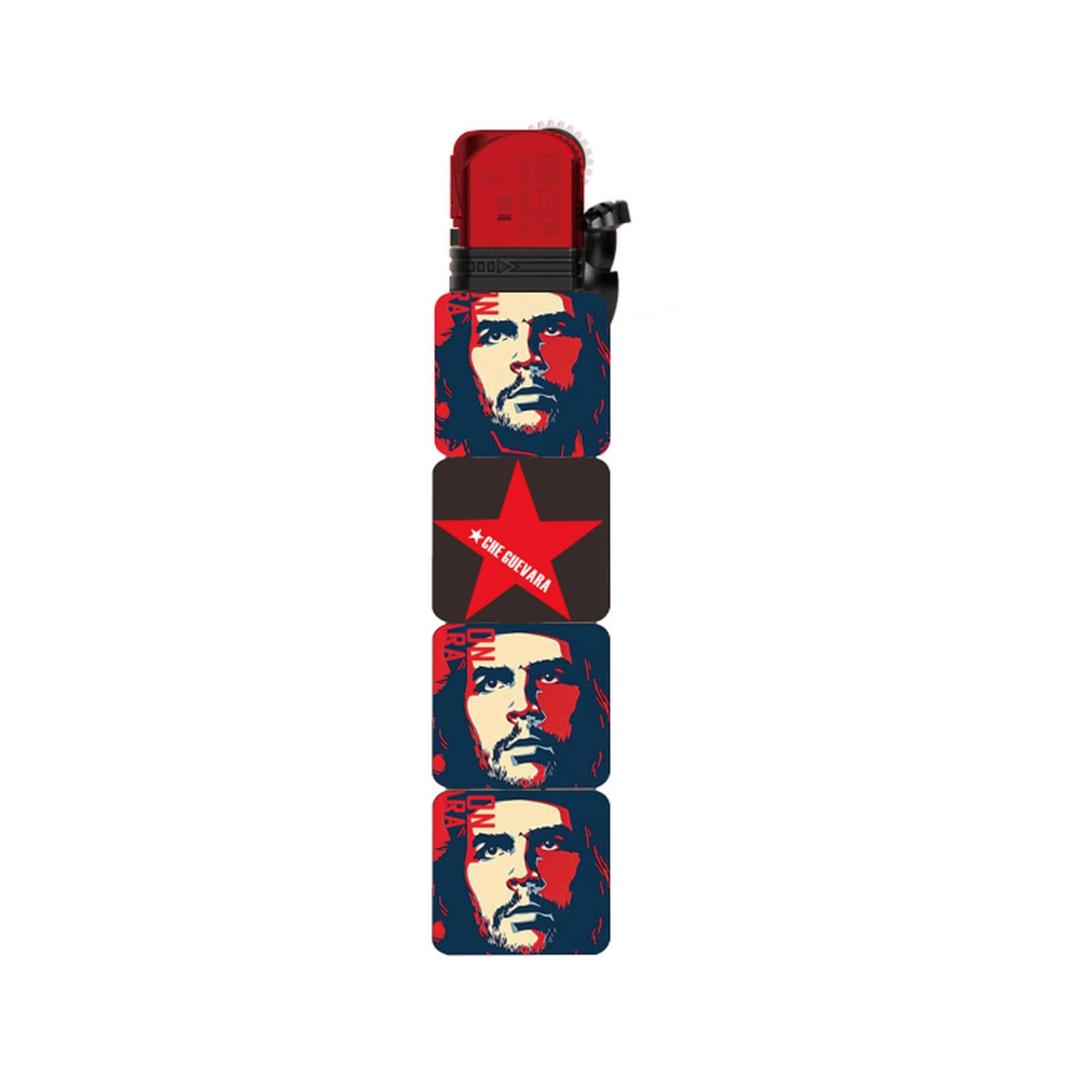
Our Products

How to Evaluate the Quality of Pilot Electric Lighters

Evaluating the quality of pilot electric lighters is essential for ensuring reliability and safety. Here are some factors to consider:

Certifications: Verify if the lighters come with relevant safety certifications, such as ISO and CE marks. These certifications indicate that the products meet safety and quality standards.

Sample Approval: Before placing a bulk order, request samples from the supplier. This allows you to assess the product's quality firsthand, checking for any defects in the materials or functionality.

Quality Control Processes: Inquire about the manufacturer's quality control procedures. A reputable manufacturer will have strict quality checks in place throughout the production process, ensuring consistent product quality.

User Reviews and Feedback: Research user reviews and feedback on the lighters. This can provide insights into their performance, durability, and any common issues experienced by other users.

Testing Under Real Conditions: If possible, test the lighters in real-world conditions similar to those they will face in your application. This helps identify any operational issues before committing to a larger order.

Common Problems with Pilot Electric Lighters and Their Solutions

Despite their convenience, pilot electric lighters may encounter several common problems. Understanding these can help you address them effectively:

Battery Failure: A common issue is battery failure, which can occur due to overcharging or prolonged inactivity. Ensure that you educate users on proper charging practices and establish a maintenance routine to extend battery life.

Ignition Issues: If the lighter fails to ignite, check for any blockages or issues with the ignition mechanism. Regular maintenance and cleaning of the ignition system can help prevent these problems.

Leakage: In some cases, the lighter may leak fuel or liquid. This can be caused by poor sealing or damage to the lighter. Inspect seals regularly and replace any damaged lighters to prevent leaks.

Inconsistent Flame: An inconsistent flame can result from insufficient battery power or blockages in the ignition system. Encourage users to keep the lighters charged and to clean them regularly.

Durability Concerns: Over time, lighters may experience wear and tear. Choose models with reinforced structures or those made from high-quality materials to minimize durability issues.

Best Applications for Pilot Electric Lighters in Various Industries

Pilot electric lighters have diverse applications across various industries, making them valuable tools. Here are some notable applications:

Retail and Promotional Use: Many businesses use pilot electric lighters as promotional items. Custom branding options can enhance visibility and customer loyalty.

Culinary Applications: In restaurants and catering services, these lighters are often used for lighting grills, candles, or other cooking equipment. Their ease of use and reliable ignition are significant advantages in a fast-paced kitchen environment.

Manufacturing and Assembly: In manufacturing settings, pilot electric lighters can be utilized for soldering or other heat applications. Their precision and control make them suitable for delicate tasks.

Outdoor and Recreational Use: For camping, hiking, or barbecuing, pilot electric lighters provide a convenient solution for lighting fires or stoves in outdoor settings. Their portability is a considerable advantage.

Crafting and DIY Projects: Hobbyists and crafters often use electric lighters for various projects that require precise ignition, making them suitable for use in workshops.

A Step-by-Step Approach

When preparing to order pilot electric lighters, follow this step-by-step approach to ensure a smooth process:

Define Your Requirements: Determine the specific requirements based on your application, such as size, battery type, and customization options.

Research Suppliers: Identify potential suppliers with a strong reputation in manufacturing pilot electric lighters. Look for those with relevant certifications and positive customer feedback.

Request Samples: Before placing a bulk order, request samples from your selected suppliers. This will allow you to evaluate their quality and performance.

Evaluate Pricing and MOQ: Discuss pricing structures and minimum order quantities (MOQ) with suppliers. Ensure that the costs align with your budget, factoring in shipping and import duties if applicable.

Confirm Production Lead Times: Clarify production lead times to ensure that your order can be fulfilled within your required timeline. This is particularly important for businesses with tight schedules.

Finalize Customization and Packaging: Once you have selected a supplier, finalize any customization options and packaging requirements to meet your branding and logistical needs.

Place Your Order: After confirming all details, place your order and maintain communication with the supplier throughout the production and shipping process to address any potential issues quickly.

By following this structured approach, you can ensure that your procurement of pilot electric lighters is efficient, cost-effective, and meets your operational needs.

Key Specifications of Pilot Electric Lighters for Bulk Orders

When considering pilot electric lighters for bulk orders, several key specifications should be prioritized:

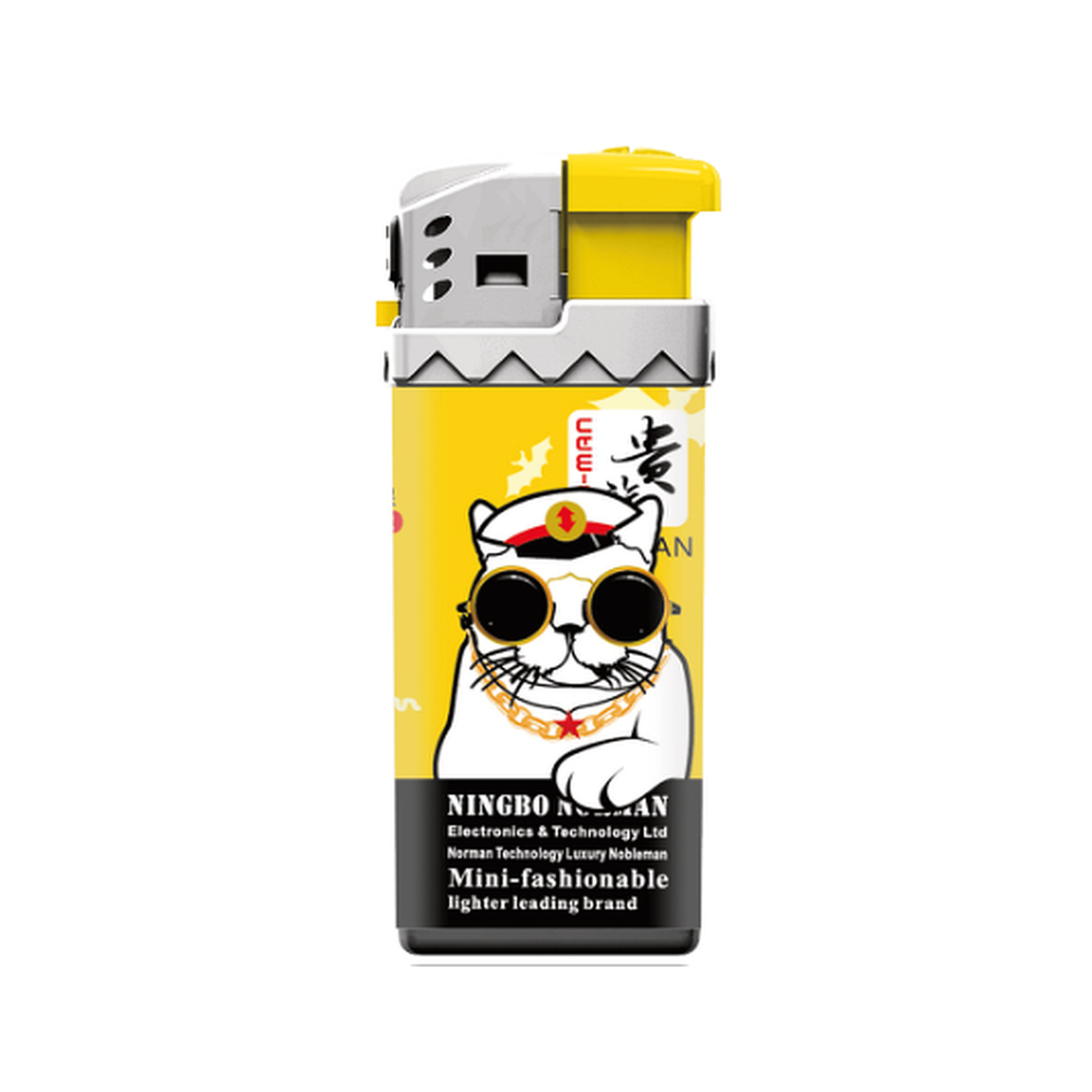
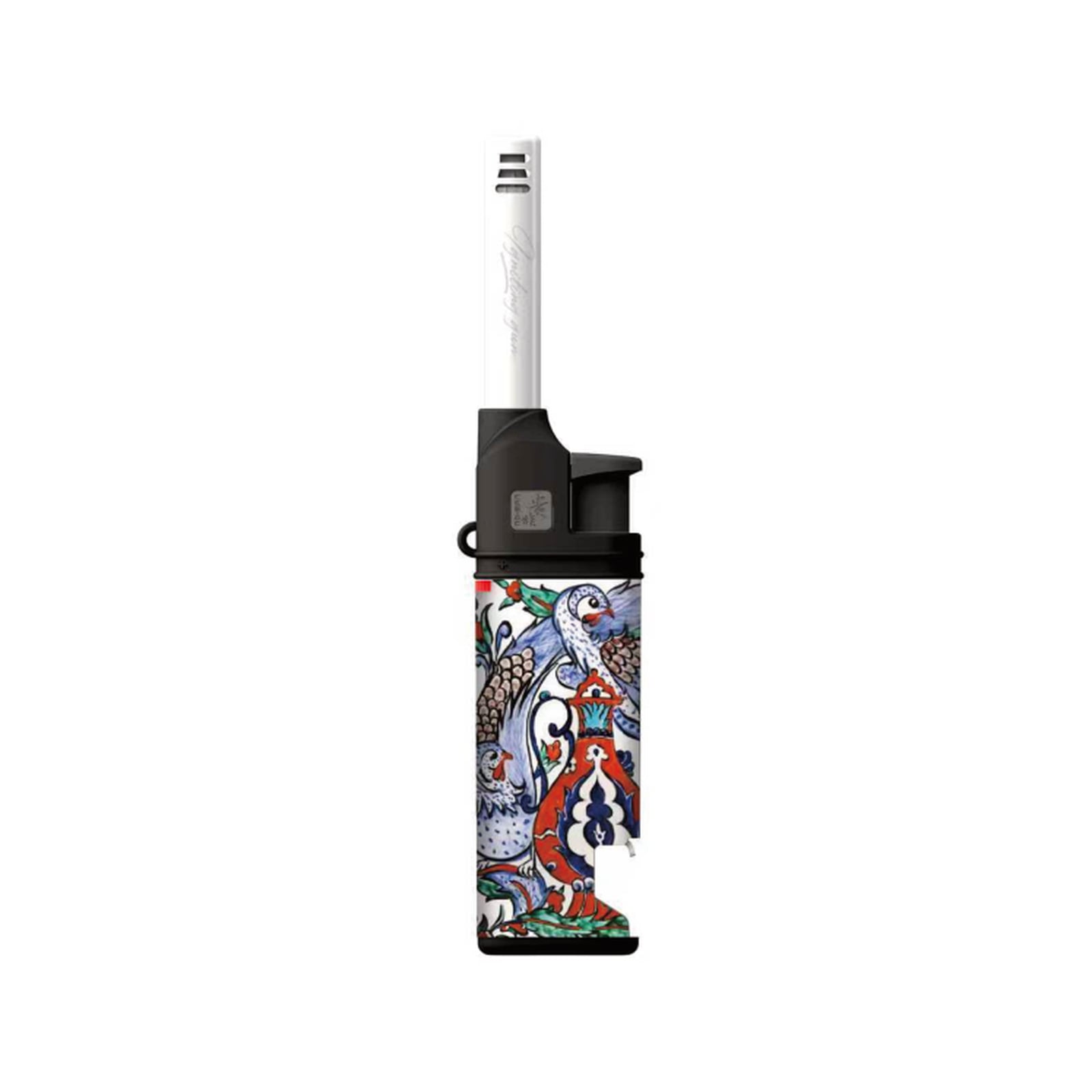
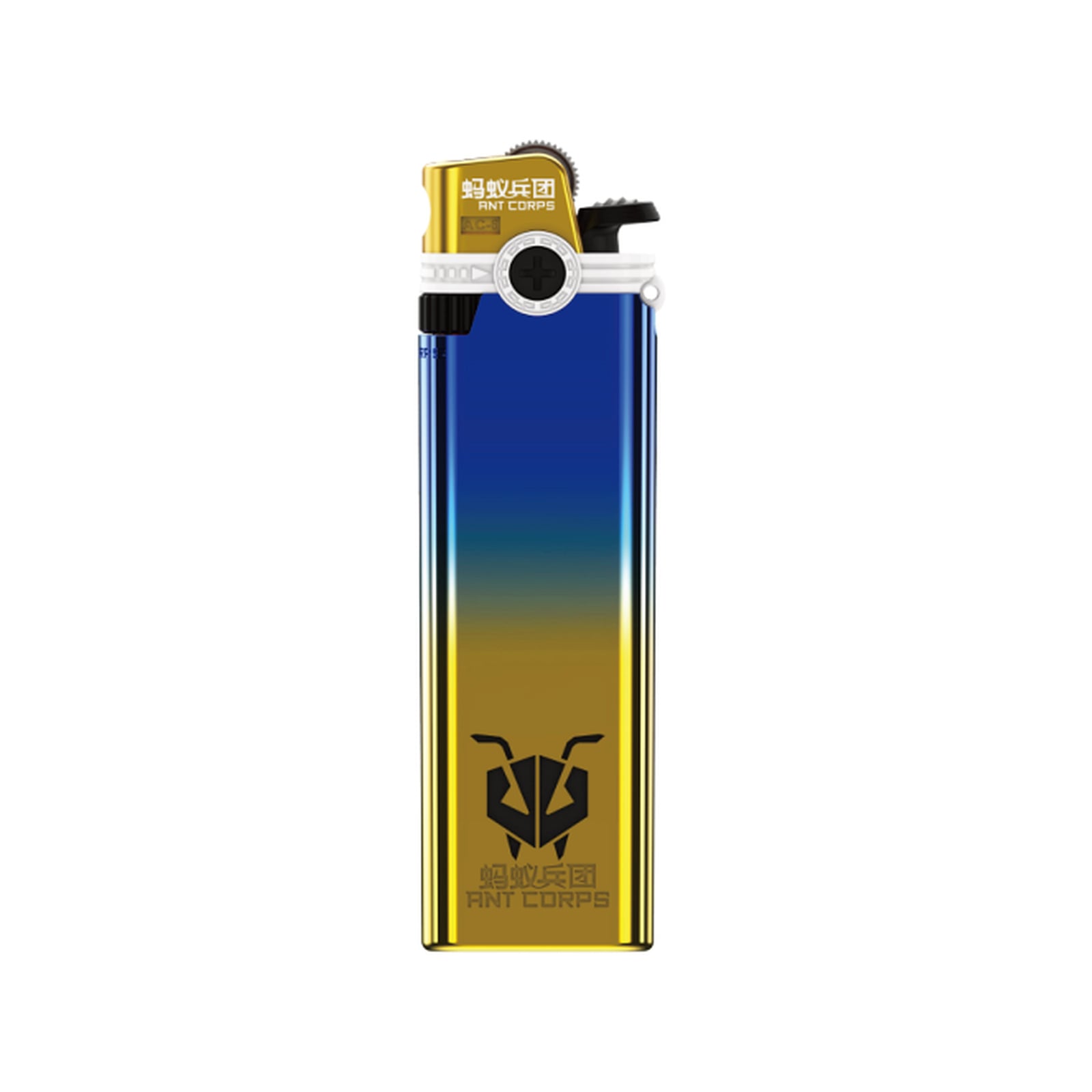
Material Composition: Typically, pilot electric lighters are made from durable plastic materials that can withstand repeated use. The choice of material can affect the lighter's durability and safety; thus, it’s essential to verify that the chosen materials comply with relevant safety standards.

Battery Type and Capacity: The type and capacity of the battery used in the lighter are critical for its performance. For optimal use, select lighters with rechargeable lithium-ion batteries that offer a longer lifespan and faster charging times.

Ignition Mechanism: The ignition mechanism varies among models. Some lighters use a piezoelectric ignition system, which is known for its reliability and efficiency. Understanding how these mechanisms work can help you select a model that meets your operational requirements.

Dimensions: The size and weight of the lighters can impact handling and storage. Ensure that the dimensions fit the intended application, whether for retail display or personal use.

Safety Features: Look for safety features such as child locks, flame control, and overcharge protection. These aspects are crucial, especially in environments where safety is a primary concern.

Packaging Options: Consider how the lighters will be packaged for shipment. Bulk orders might require specific packaging to ensure protection during transit and display. Additionally, you might explore different flame types such as Turbo Flame or Normal Flame options that can enhance functionality during use.

Get a Free Quote

Our representative will contact you soon.
Email
Mobile
Name
Company Name
Message
0/1000

Related product categories