EN

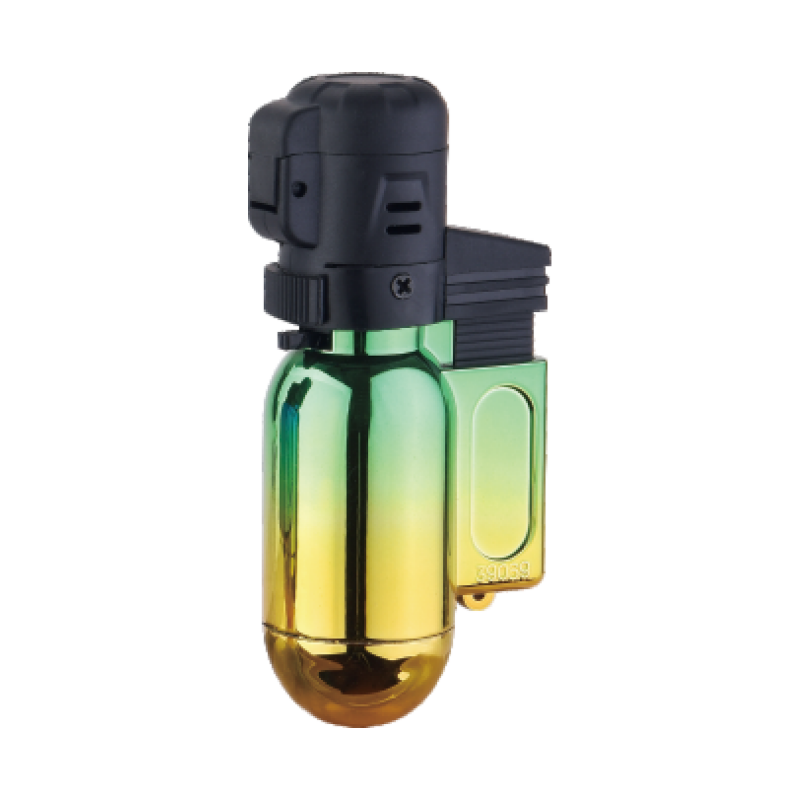
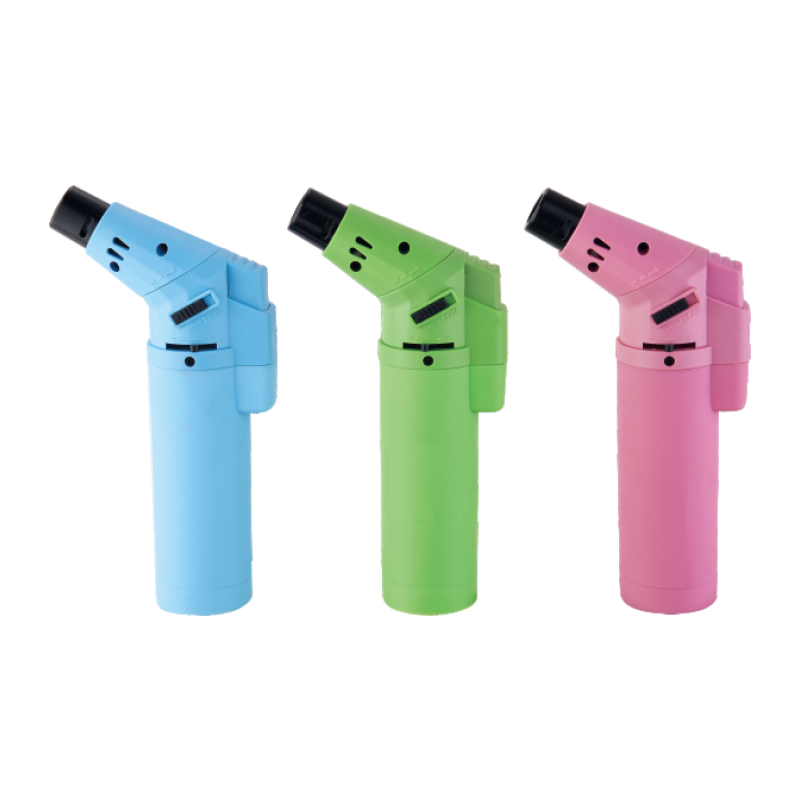
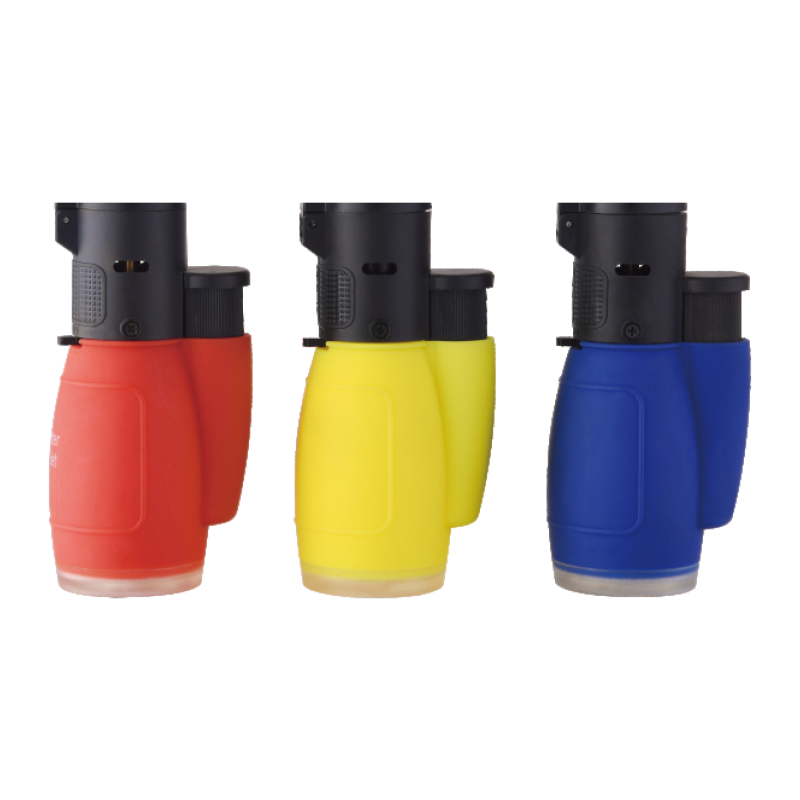
An electronic torch lighter is a versatile tool designed for igniting various materials, offering precision and convenience for both personal and commercial use. B2B buyers, including purchasing managers, distributors, and product managers, often seek quality, reliability, and cost-effectiveness when sourcing these lighters for wholesale. This article will explore key considerations for selecting the right electronic torch lighter, including specifications, cost factors, common problems, and the benefits these products bring to businesses.
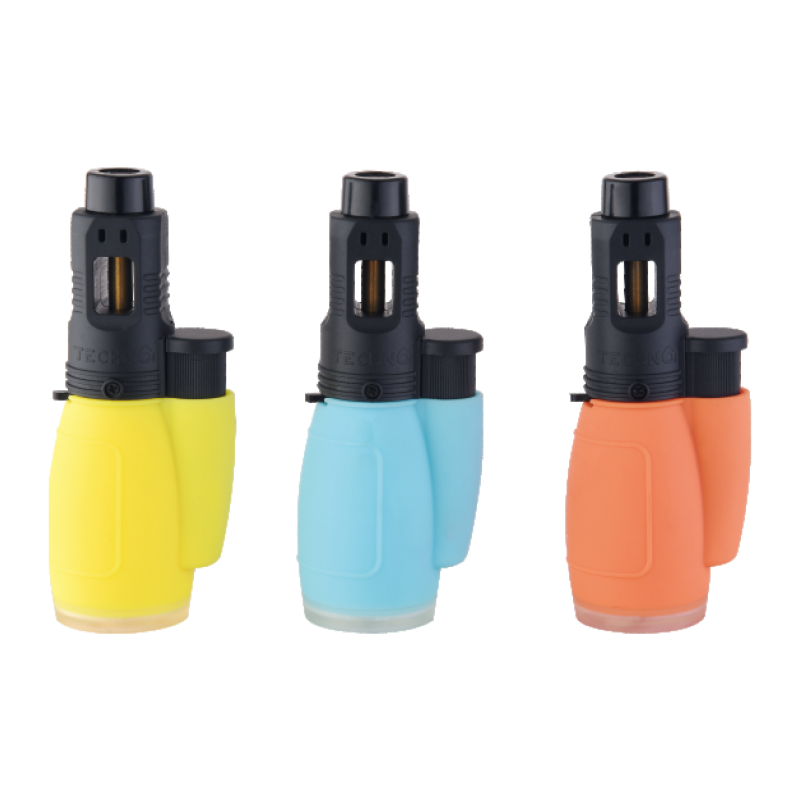
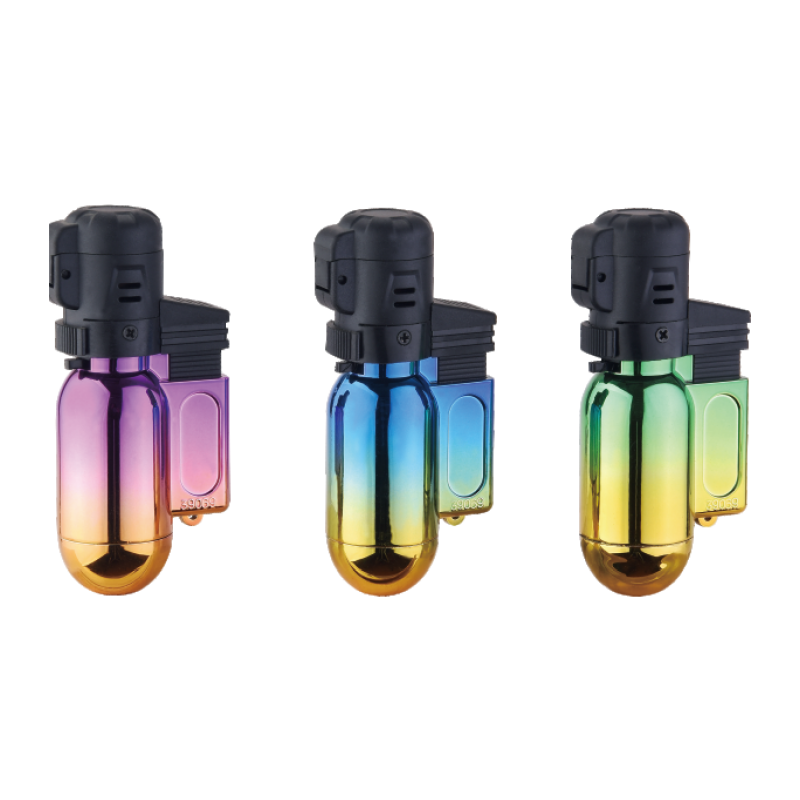
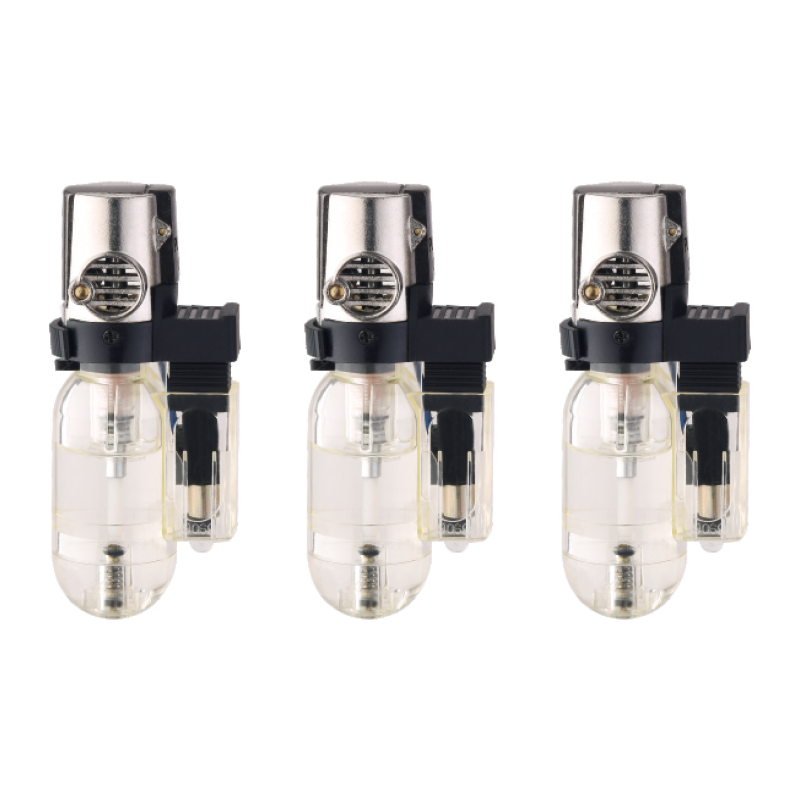
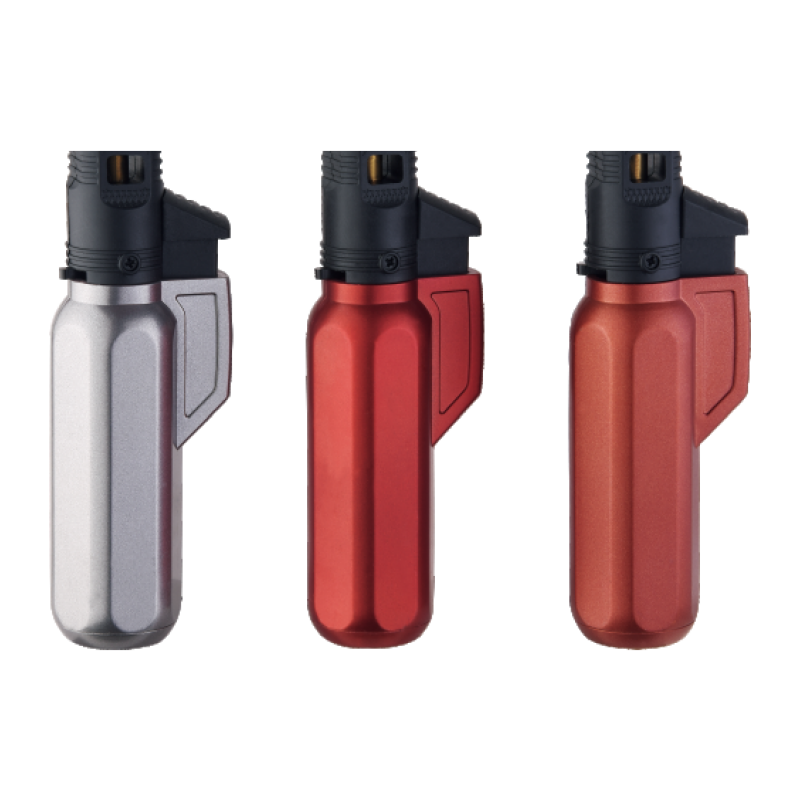
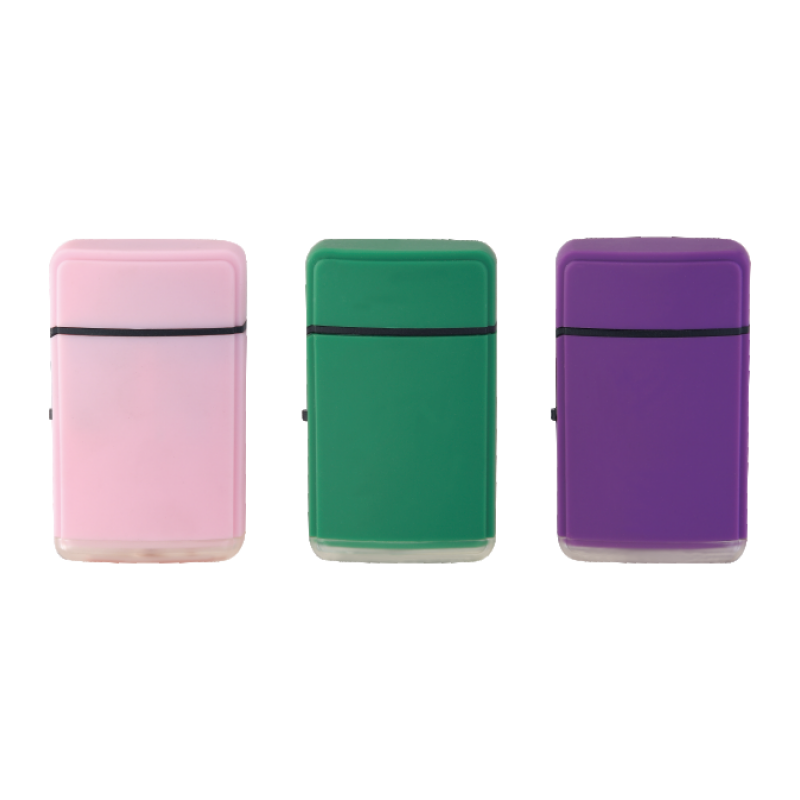
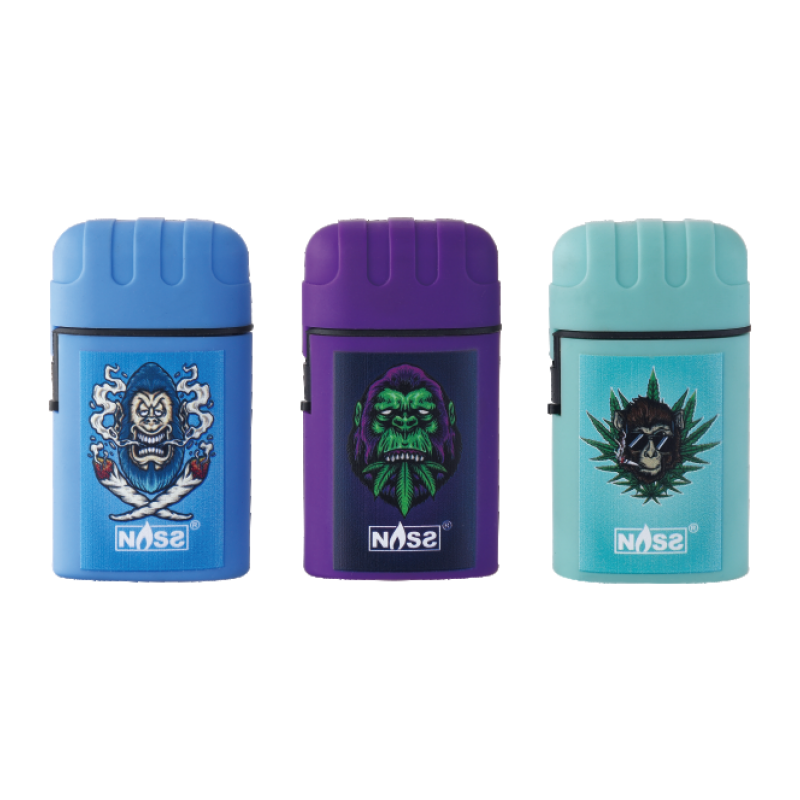
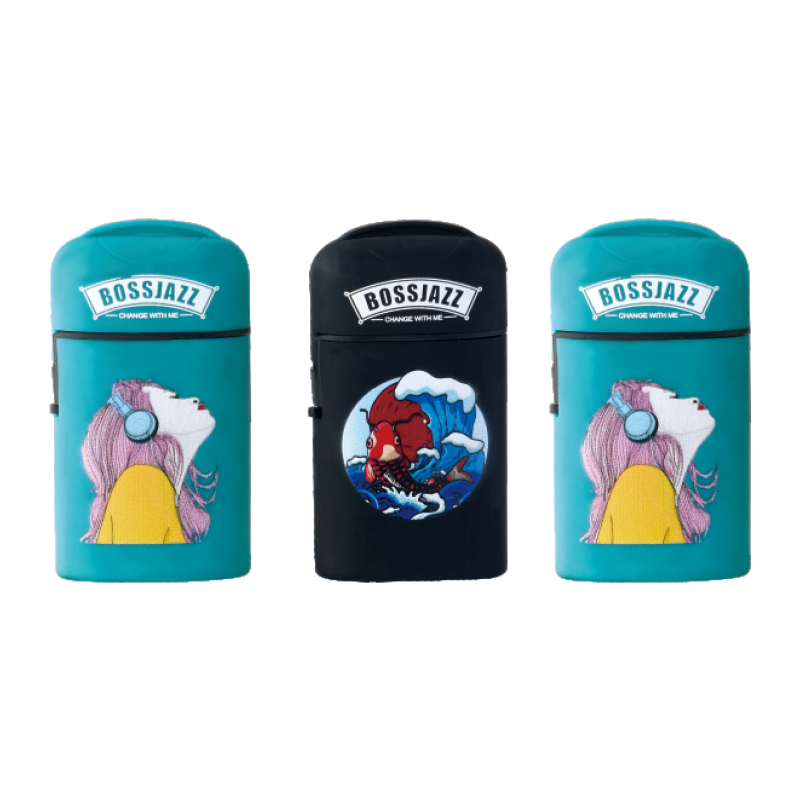
Key Specifications to Consider When Sourcing Electronic Torch Lighters
When sourcing electronic torch lighters, several key specifications should be evaluated to ensure the product meets intended application requirements:
Fuel Type: Identify whether the lighter uses butane or another fuel type. Butane offers a consistent flame and is ideal for culinary applications, while electric lighters provide convenience and ease of use.
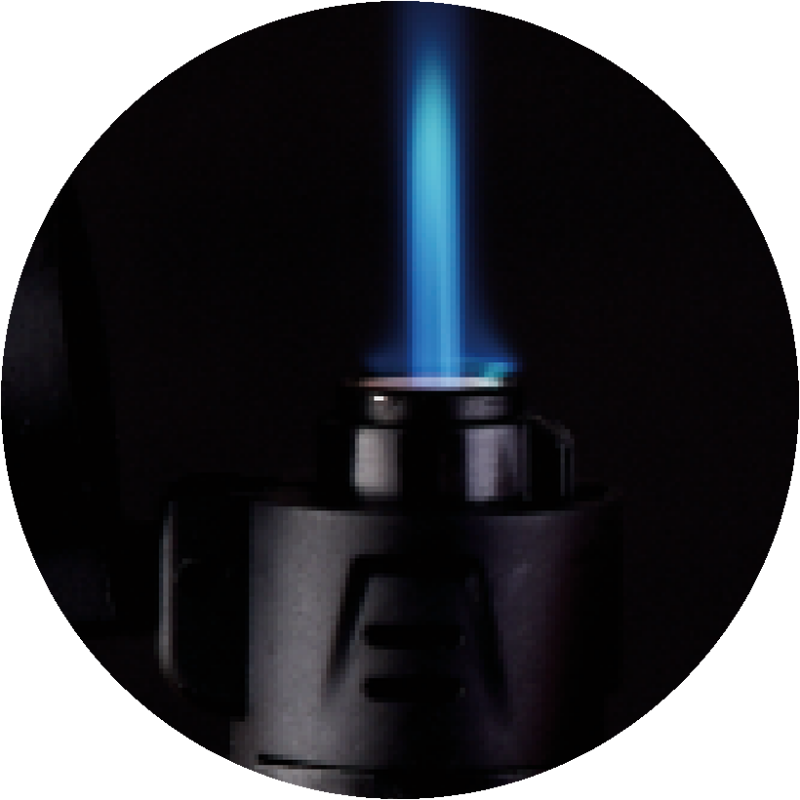
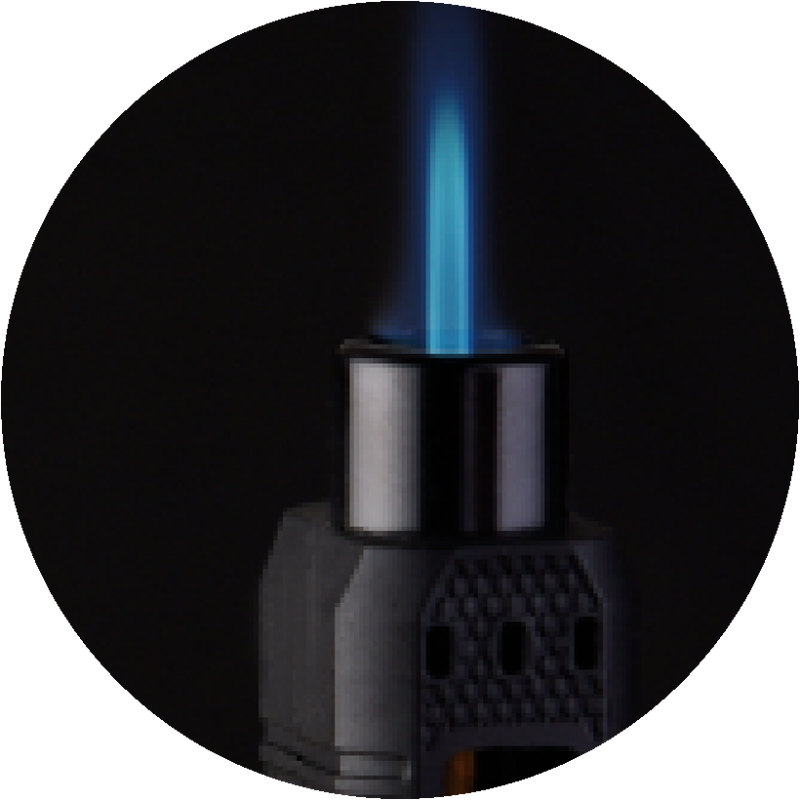
Flame Temperature: The flame temperature is crucial for applications requiring high heat. Seek products with adjustable flame settings to accommodate various tasks, from lighting candles to soldering metal. For example, lighters that feature Jet Flame capabilities can provide a powerful and focused flame for such tasks.
Materials: Consider the materials used in the lighter’s construction. Durable, heat-resistant plastics or metals enhance longevity and performance. Additionally, ensure that the lighter complies with safety standards relevant to your market.
Size and Portability: Depending on the target audience, the size and weight of the lighter can affect usability. Compact designs are often preferred for portability, while larger models may offer advanced features.
Safety Features: Look for lighters equipped with childproof mechanisms and automatic shut-off features, which are crucial for both consumer safety and regulatory compliance.
By carefully evaluating these specifications, buyers can select electronic torch lighters that not only meet their operational needs but also align with safety and quality standards.