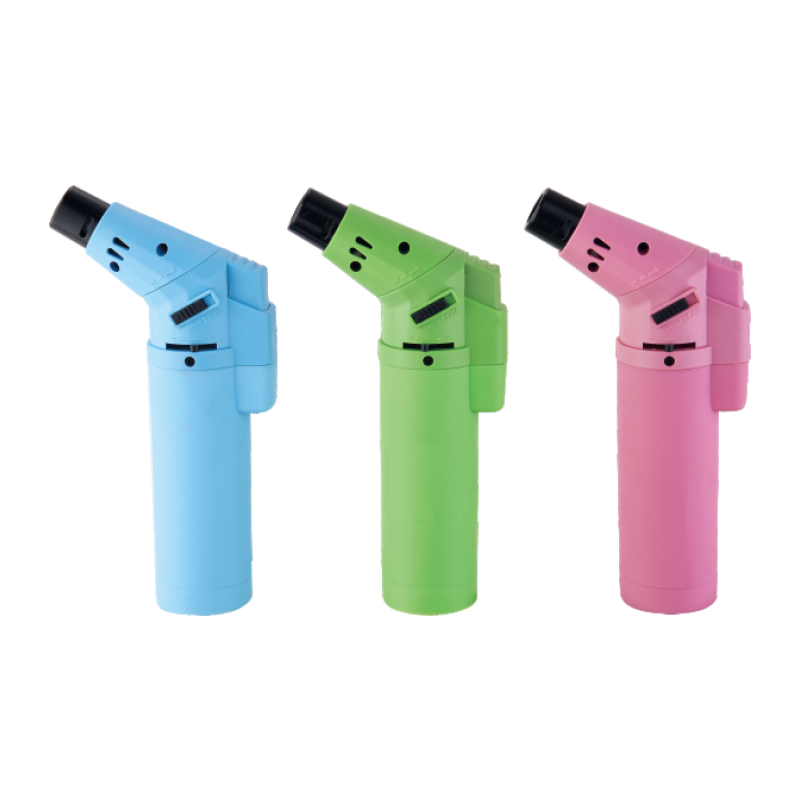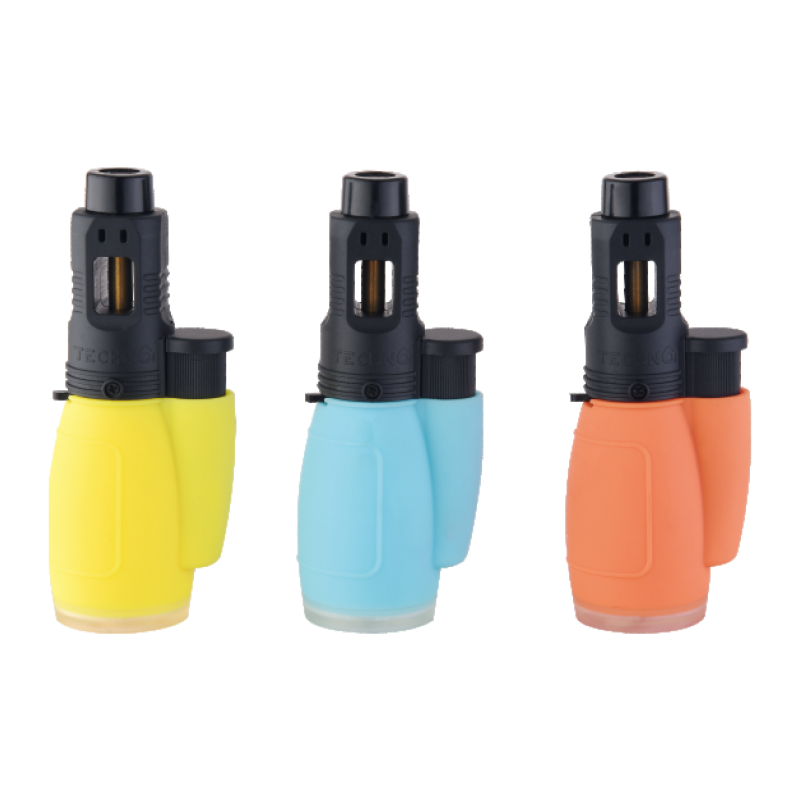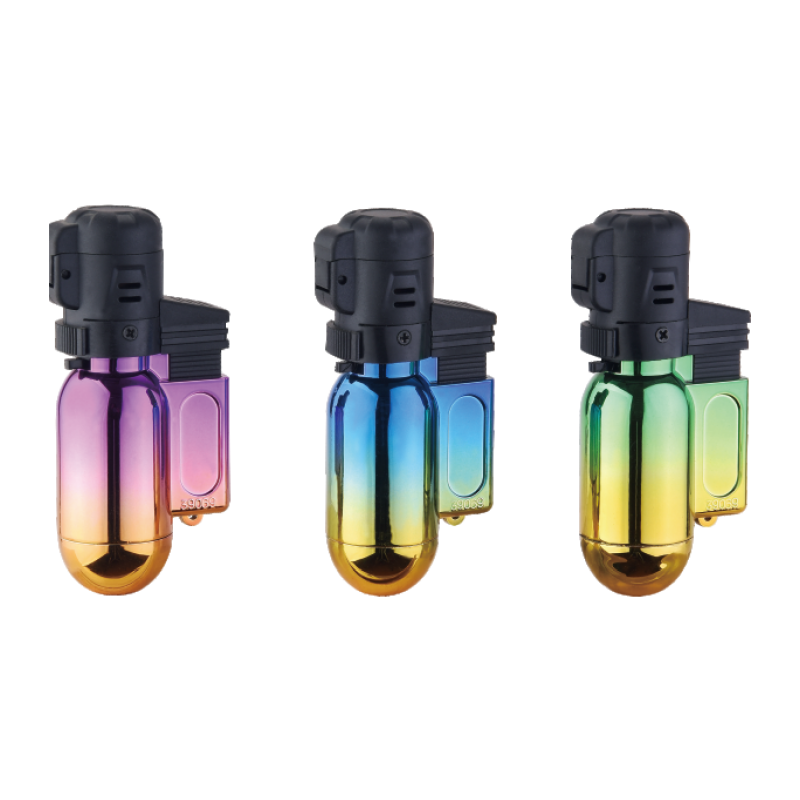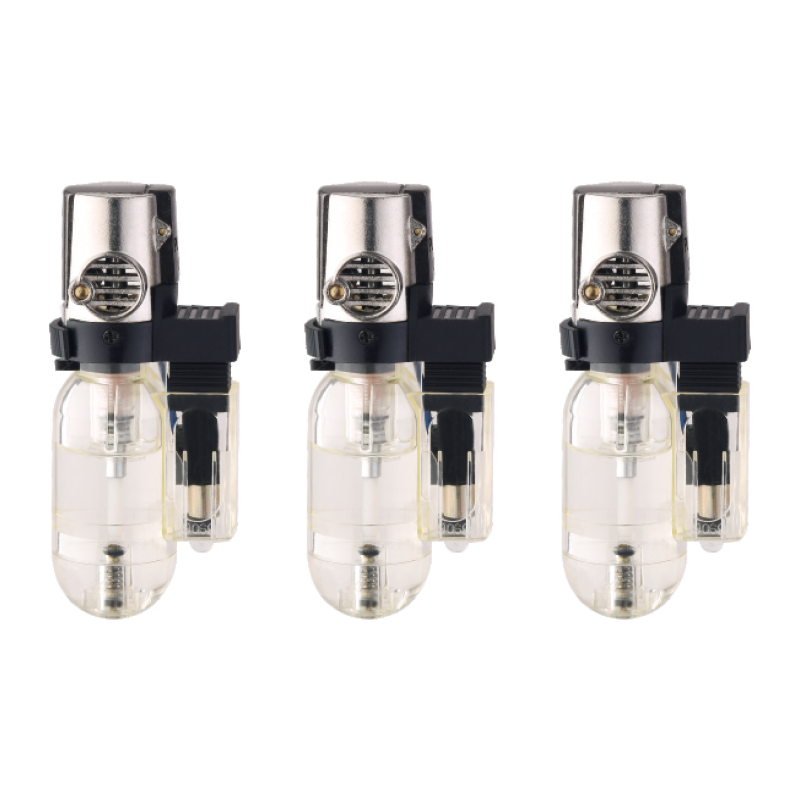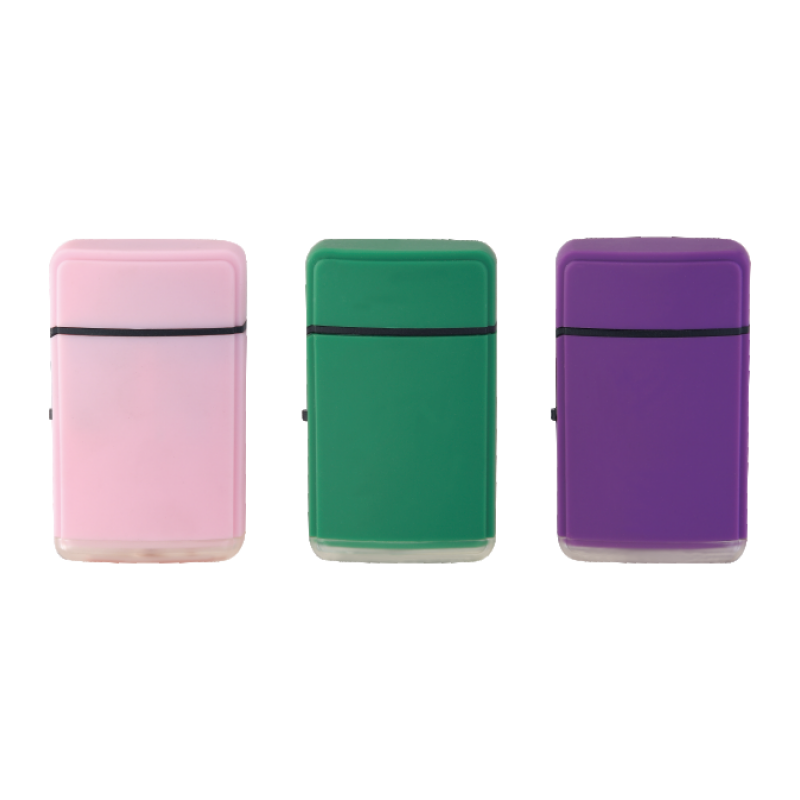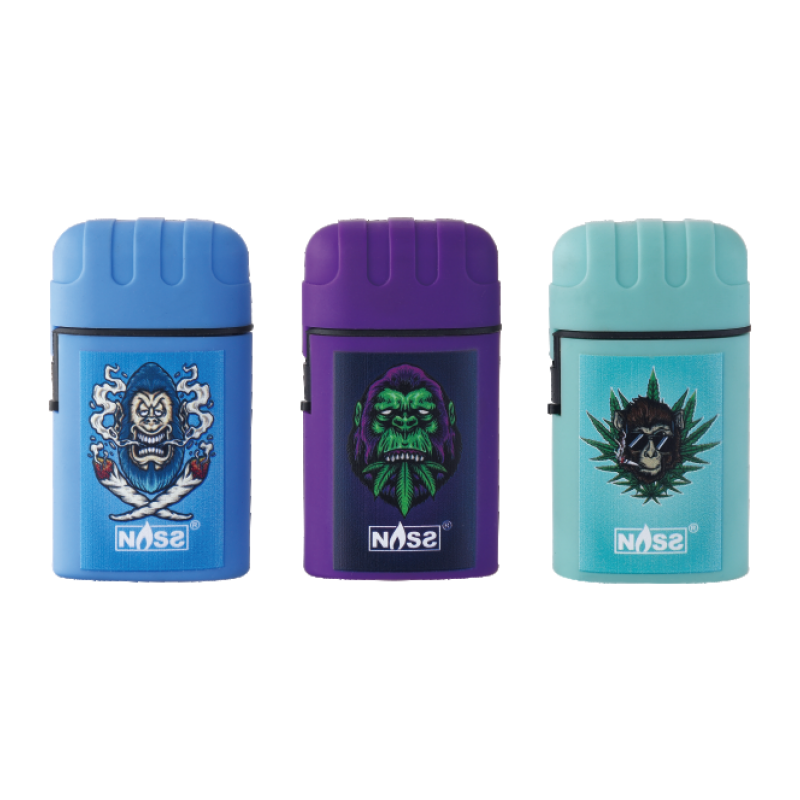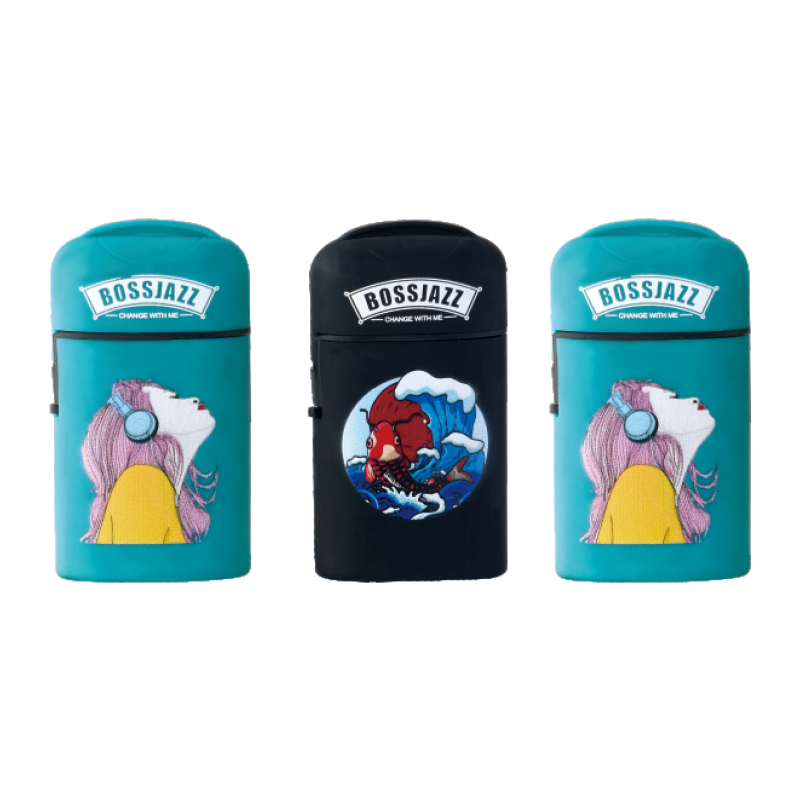
Key Specifications for Castelar Torch Lighters

Contact me immediately if you encounter problems!

All Categories

castelar torch lighter

A Castelar torch lighter is a specialized tool designed for high-temperature applications, providing a reliable flame for various industrial uses. As a purchasing manager or engineer, you may have concerns about the specifications, applications, and potential issues associated with these lighters. This article will guide you through the essential factors to consider when purchasing Castelar torch lighters, helping you make informed decisions that meet your operational needs.
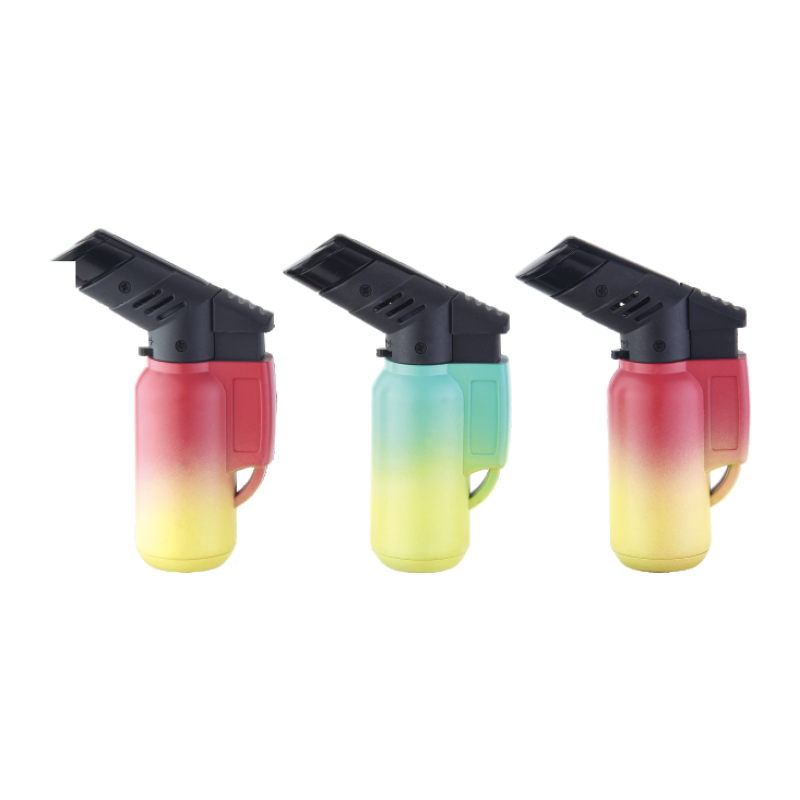
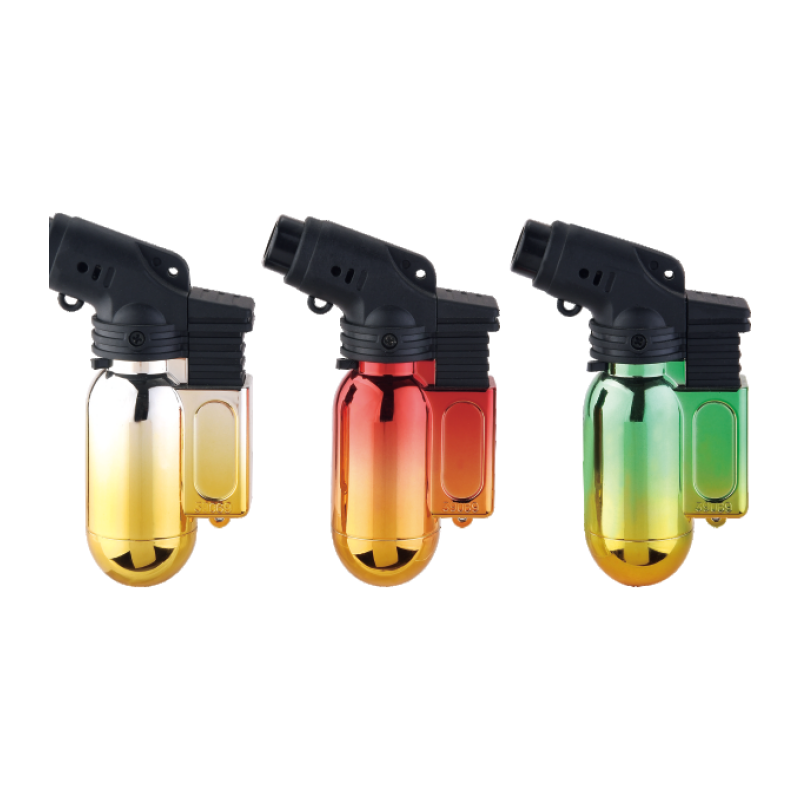
Our Products

Cost Savings on Castelar Torch Lighter Purchases

When purchasing Castelar torch lighters, cost savings can be achieved through several strategies:

Bulk Purchasing: Many manufacturers, including Ningbo Shunhong Lighter Manufacture Co., Ltd., offer discounts for bulk orders. By purchasing larger quantities, you can reduce the per-unit cost significantly.

Long-Term Contracts: Establishing a long-term purchasing agreement can also lead to cost reductions. Suppliers may offer better pricing in exchange for guaranteed future orders.

Assessing Total Cost of Ownership: While the initial purchase price is important, consider the total cost of ownership, which includes maintenance, refueling, and operational efficiency. Investing in higher-quality lighters may lead to longer service life and reduced replacement costs. For instance, a normal flame option may be more cost-effective for certain applications.

Customization Options: Discuss customization options with your supplier. Tailoring features to your specific needs can enhance efficiency, which may translate into cost savings in terms of time and resources.

By strategically evaluating pricing structures and considering total cost implications, buyers can maximize their investment in Castelar torch lighters.

Installation Guidance for Optimal Use of Castelar Torch Lighters

To ensure optimal use of Castelar torch lighters, proper installation and setup are crucial. Here are key steps to consider:

Read the Manufacturer’s Manual: Always start by reviewing the manufacturer's instructions, as they provide specific guidance on installation and operation.

Fuel Filling: When filling the lighter with butane, ensure you do so in a well-ventilated area. Follow the manufacturer’s instructions for filling to avoid overfilling, which can lead to leaks.

Adjust Flame Settings: Before use, adjust the flame settings according to your application requirements. Testing the lighter in a controlled environment can help you determine the optimal flame size and intensity.

Safety Precautions: Use personal protective equipment (PPE) as necessary, such as gloves and safety goggles, especially in industrial settings. Ensure that flammable materials are kept at a safe distance during operation.

Routine Maintenance Checks: Regularly inspect the lighter for any signs of wear or damage. This includes checking seals and connections to ensure safe operation.

Following these guidelines will help you effectively integrate Castelar torch lighters into your operational processes while maintaining safety and efficiency.

Common Problems with Torch Lighters and Effective Solutions

Despite their reliability, users may encounter issues with Castelar torch lighters. Here are some common problems and their solutions:

Flame Failure: If the lighter fails to ignite, ensure that it is filled with fuel and that the fuel nozzle is clear of debris. If the problem persists, it may be necessary to check the ignition mechanism for blockages or damage.

Inconsistent Flame: An inconsistent flame can result from low fuel levels or a clogged nozzle. Regular cleaning and maintenance can help prevent this issue. Consider using a soft brush to clean the nozzle.

Leaking Fuel: If you notice fuel leaks, immediately stop using the lighter and inspect it for cracks or damage. Leaks can pose serious safety hazards. Replace the lighter if necessary.

Difficulty in Adjusting Flame: If the flame adjustment mechanism is stiff or unresponsive, ensure that there is no debris lodged in the adjustment area. Lubricating the adjustment mechanism may help restore functionality.

By being aware of these common issues and their solutions, users can ensure the reliability of their Castelar torch lighters and minimize downtime.

Applications of Castelar Torch Lighters Across Various Industries

Castelar torch lighters find applications across a wide range of industries due to their versatility and reliability. Here are some notable applications:

Manufacturing and Assembly: In manufacturing, these lighters are often used for soldering, welding, and other processes that require high-temperature flames. They provide precise control over the flame, essential for quality workmanship.

Food and Beverage: In the culinary field, chefs utilize torch lighters for caramelizing sugar, browning meringues, or adding finishing touches to dishes. Their portability and ease of use make them popular in both professional kitchens and catering services.

Craft and DIY Projects: Hobbyists and crafters use Castelar torch lighters for projects that require heat, such as glassblowing, metalworking, or creating intricate designs in resin. Their versatility allows for a wide range of creative applications.

Automotive and Maintenance: In automotive repair, torch lighters can be used for tasks such as loosening rusted bolts or soldering electrical connections. Their ability to reach high temperatures quickly makes them valuable tools in maintenance settings.

Understanding the diverse applications of Castelar torch lighters can help buyers assess their needs and select the right products for their specific industries.

By focusing on these aspects, you can navigate the purchasing process for Castelar torch lighters with greater confidence. Consider the specifications, cost-saving opportunities, installation guidance, common issues, and industry applications to make informed decisions that meet your operational requirements.

Key Specifications to Consider When Purchasing Castelar Torch Lighters

When selecting a Castelar torch lighter, several key specifications should be evaluated to ensure optimal performance for your application:

Flame Type and Temperature: Assess whether you need a standard flame, a jet flame, or a multi-flame option. The temperature range is crucial, particularly for applications requiring high heat, such as soldering or welding.

Fuel Type: Most torch lighters operate using butane, but it's essential to confirm compatibility with the fuel type you intend to use. This affects the lighter's efficiency and safety.

Material and Durability: The construction material influences the lighter's longevity and performance. Look for lighters made from high-quality plastic or metal that can withstand the stresses of industrial environments.

Safety Features: Consider lighters with features such as child safety locks, adjustable flames, and automatic ignition systems. These enhance user safety and operational efficiency.

Ergonomics and Design: A comfortable grip and lightweight design can significantly improve usability, especially during prolonged use.

Certification and Compliance: Ensure the lighter meets relevant safety and quality certifications. This demonstrates adherence to industry standards, which can be vital for compliance in specific applications.

Understanding these specifications helps you select a Castelar torch lighter that aligns with both your operational requirements and safety standards.

Get a Free Quote

Our representative will contact you soon.
Email
Mobile
Name
Company Name
Message
0/1000

Related product categories