Key Specifications for Butane Grill Lighters

Contact me immediately if you encounter problems!

All Categories

butane grill lighter

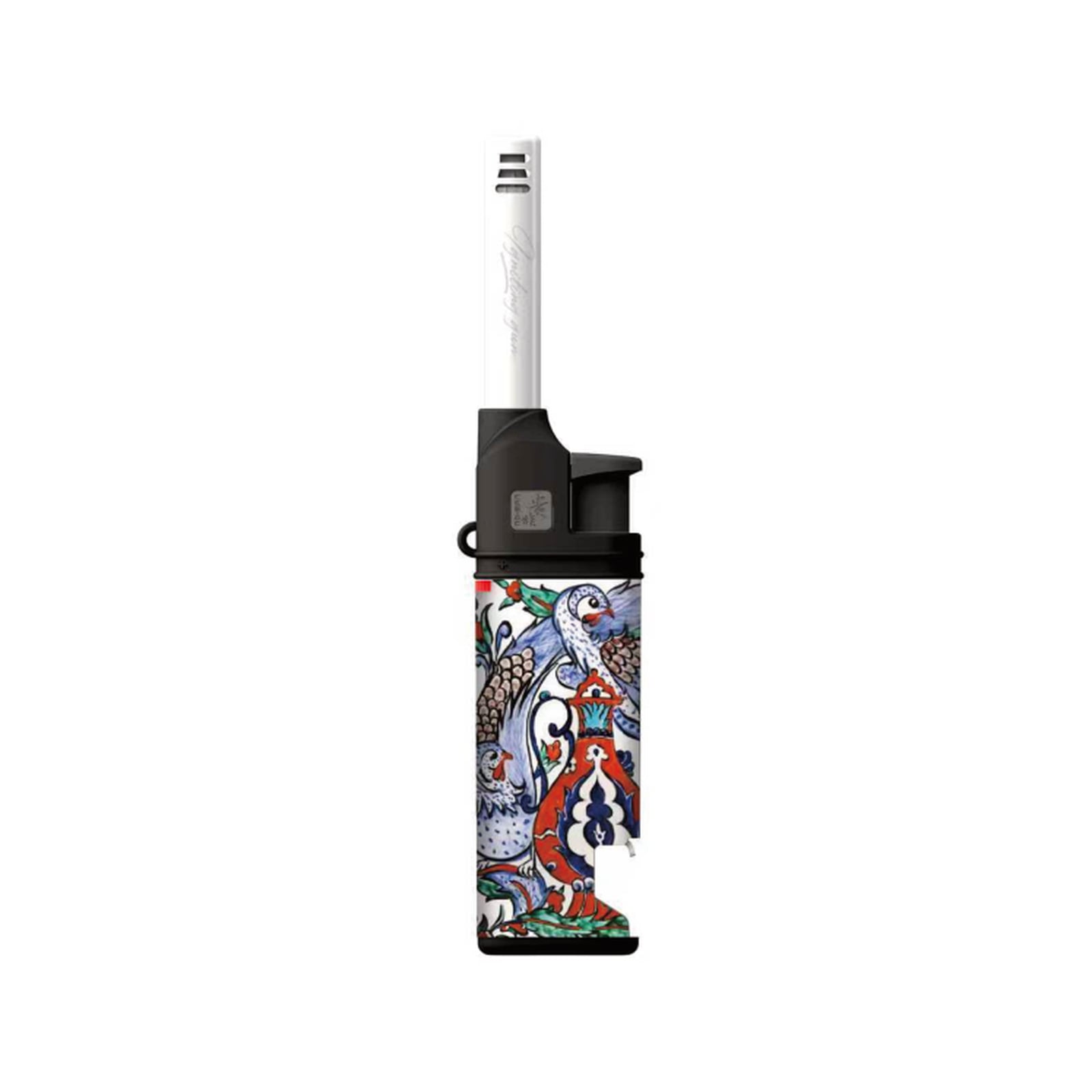
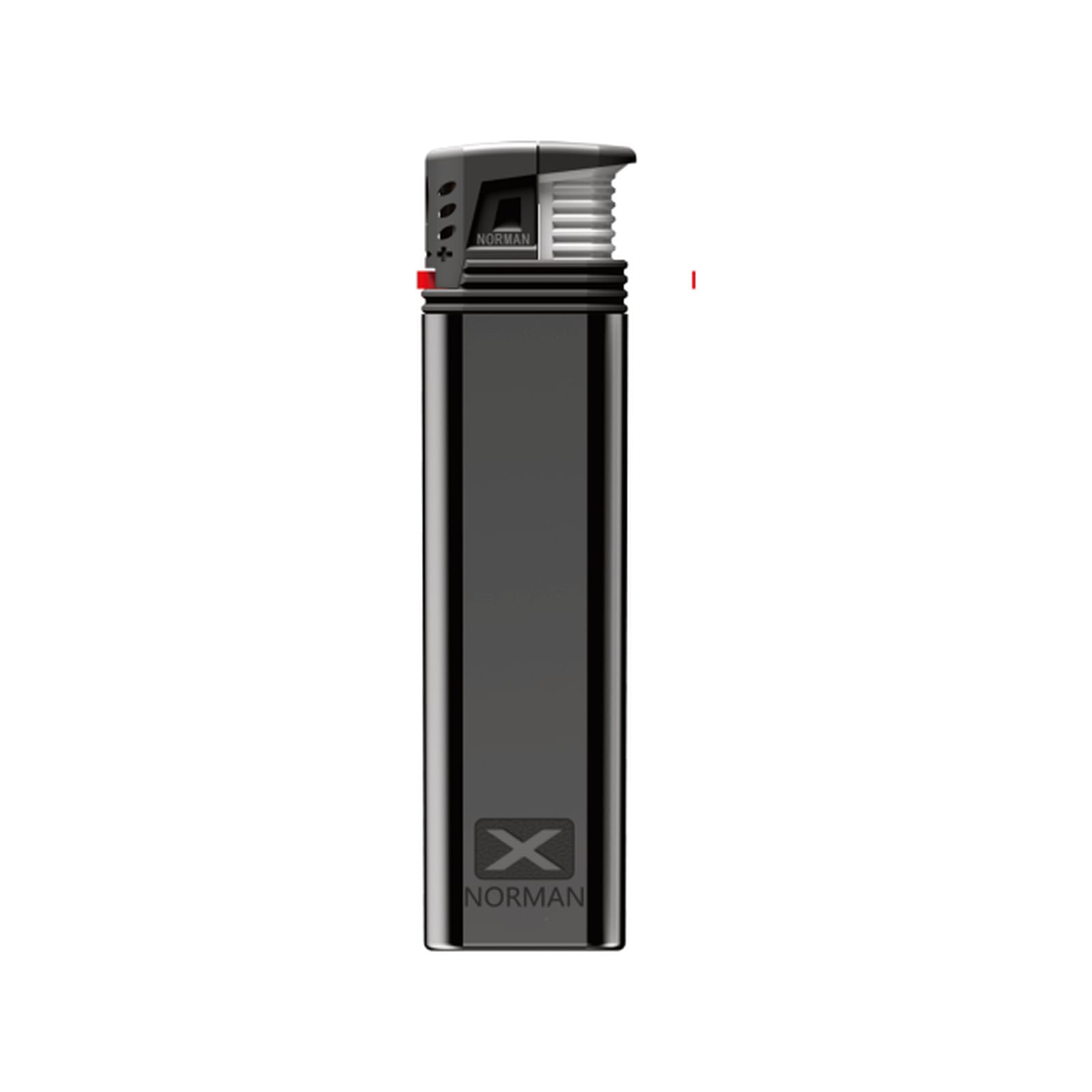
Butane grill lighters are essential tools for outdoor cooking, providing a reliable ignition source for gas grills, smokers, and fire pits. When sourcing these products, B2B buyers often prioritize safety, performance, and quality. This article will guide purchasing managers and distributors through key specifications, quality standards, and supplier evaluation to ensure they select the right butane grill lighters for their needs.
Our Products

Understanding the Quality Standards of Butane Grill Lighters

Quality standards for butane grill lighters are essential for ensuring safety and performance. Familiarity with industry regulations, such as those set by the American National Standards Institute (ANSI) and the International Organization for Standardization (ISO), can guide buyers in their procurement process.

Safety Certifications: Verify that the lighters have passed safety tests and carry relevant certifications. These may include UL certification, which indicates the product has been tested for safety hazards.

Production Quality Control: A robust quality control process is vital. Buyers should inquire about the manufacturer's quality assurance practices, including any third-party testing and inspections conducted throughout production.

Materials Testing: Ensure that the materials used in the lighters have been tested for heat resistance and durability. This can prevent potential safety hazards during use.

Compliance with Local Regulations: Depending on the market, there may be specific regulations regarding the sale and distribution of butane products. Buyers should confirm that the supplier complies with all relevant local and international regulations.

Understanding these quality standards will help buyers make informed decisions and choose suppliers that prioritize safety and reliability.

Where to Find Reliable Suppliers for Butane Grill Lighters

Finding a reliable supplier for butane grill lighters involves several steps:

Industry Directories: Utilize online B2B directories such as Alibaba, ThomasNet, or Global Sources. These platforms allow buyers to filter suppliers based on location, product type, and certifications.

Trade Shows: Attending industry trade shows is an effective way to connect with manufacturers and suppliers. These events provide opportunities to see products first-hand and assess supplier capabilities.

Supplier Reviews and Testimonials: Research potential suppliers by looking for reviews from other businesses. Positive testimonials can indicate a supplier's reliability and quality.

Direct Outreach: Contact suppliers directly to inquire about their products, production capabilities, and quality standards. This can also provide insights into their customer service and responsiveness.

Sample Orders: Before committing to a large order, request samples to evaluate product quality and performance. This step is crucial to ensuring that the lighters meet your specifications and expectations.

By following these strategies, buyers can identify trustworthy suppliers who meet their butane grill lighter sourcing needs.

Technical Insights on Butane Grill Lighter Performance and Safety

Understanding the technical aspects of butane grill lighters is crucial for ensuring optimal performance and safety. Here are key considerations:

Flame Height and Stability: The flame height should be adjustable based on user preference and application. A stable flame that maintains its height even in windy conditions is essential for outdoor use.

Heat Resistance: The materials used in the lighter should withstand high temperatures without degrading. It’s advisable for buyers to confirm that the lighter can operate safely under various environmental conditions.

Ventilation Requirements: Proper ventilation is necessary when using butane lighters, especially in enclosed spaces. Buyers should consider the intended use of the lighter to ensure it aligns with safety standards.

Refilling Mechanism: The ease of refilling the lighter can significantly impact user experience. A well-designed refill mechanism reduces the risk of leaks and enhances safety during the refilling process.

Durability and Longevity: Buyers should assess the durability of the lighter, including its resistance to wear and tear over time. This can be evaluated through manufacturer specifications and user feedback.

By focusing on these technical insights, buyers can select butane grill lighters that offer reliable performance and safety for their specific applications.

Installation Guidance for Efficient Use of Butane Grill Lighters

While butane grill lighters are generally straightforward to use, following proper installation and usage guidelines can enhance safety and efficiency:

Read the Instructions: Always start by reading the manufacturer’s instructions carefully. This ensures that users understand how to operate the lighter safely and effectively.

Check for Leaks: Before using the lighter, inspect it for any signs of damage or leaks. If any irregularities are found, it is best to avoid using the lighter and consult the manufacturer.

Use in Well-Ventilated Areas: Ensure that the lighter is used in a well-ventilated environment to prevent the buildup of butane gas, which can be hazardous.

Flame Adjustment: Familiarize users with the flame adjustment feature. Properly adjusting the flame height can improve ignition efficiency and reduce fuel consumption.

Storage and Maintenance: Store butane lighters in a cool, dry place, away from direct sunlight. Regular maintenance, such as cleaning the nozzle and checking for wear, can prolong the life of the lighter.

By adhering to these guidelines, users can maximize the efficiency and safety of butane grill lighters, contributing to a better overall experience.

Key Specifications to Evaluate When Sourcing Butane Grill Lighters

When sourcing butane grill lighters, several specifications are critical to ensure optimal performance and safety:

Material Composition: Most butane lighters are made from durable plastics, which can affect their resistance to heat and impact. It’s important to evaluate the quality of these materials, as inferior plastics can cause safety issues.

Ignition Mechanism: The ignition system can be either piezoelectric or flint-based. Buyers should consider the reliability of the ignition mechanism, as this directly impacts usability. Piezoelectric systems are typically more reliable and provide a consistent spark.

Butane Capacity: The capacity of the lighter determines how long it can be used before needing a refill. Buyers should assess their usage needs and select a lighter with an appropriate capacity to minimize the frequency of refills.

Safety Features: Look for lighters equipped with child safety locks and flame adjustment controls. These features not only enhance user safety but also improve the product's overall reliability.

Size and Ergonomics: The lighter's size and shape should facilitate easy handling and operation. Ergonomic designs can prevent user fatigue during extended use. Additionally, considering the different types of flames, such as Normal Flame or Turbo Flame, can help buyers choose the right lighter for their specific needs.

By closely examining these specifications, buyers can ensure they select butane grill lighters that meet their operational and safety standards.

Get a Free Quote

Our representative will contact you soon.
Email
Mobile
Name
Company Name
Message
0/1000

Related product categories