 EN

Urgrette torch lighters are essential tools for various industrial and promotional applications, particularly in sectors that require reliable ignition sources. As a purchasing manager or distributor, understanding the nuances of selecting the right urgrette torch lighter is crucial. This article will address key considerations for wholesale purchases, including specifications, comparison techniques, cost factors, and installation guidance, helping you make informed decisions that meet your operational needs.
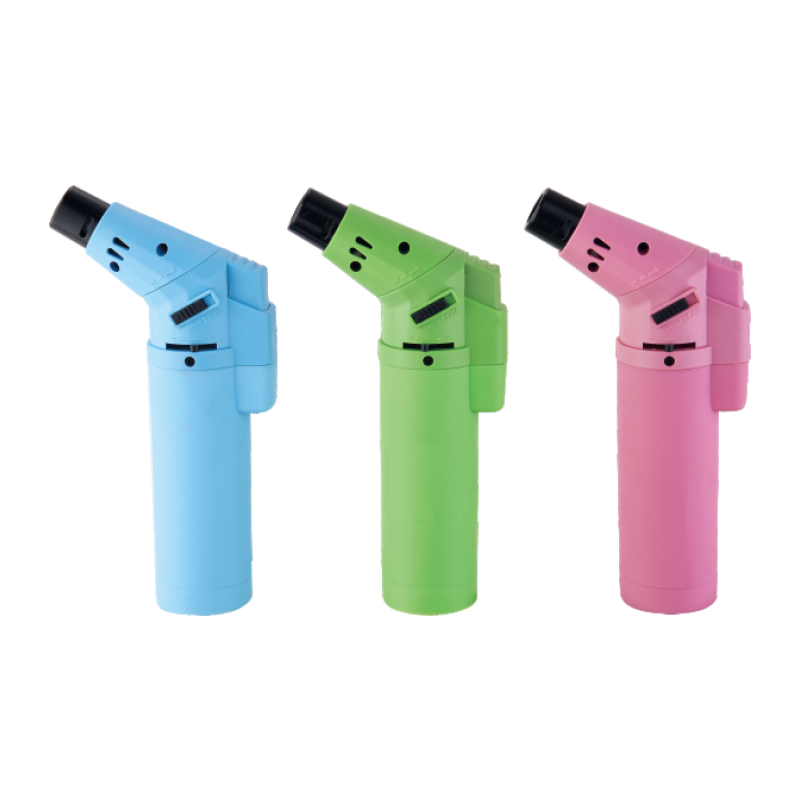
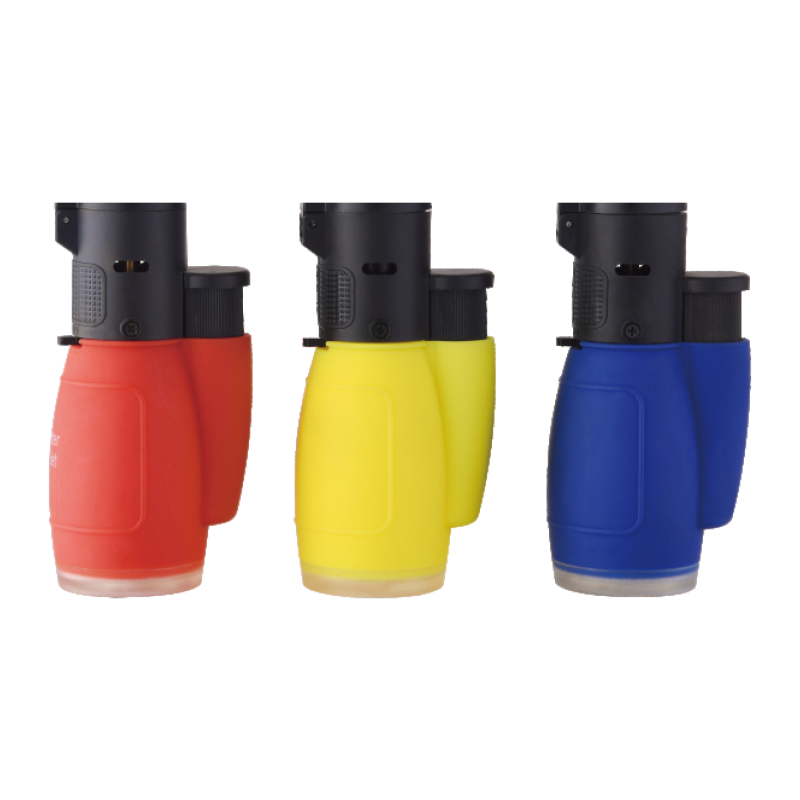
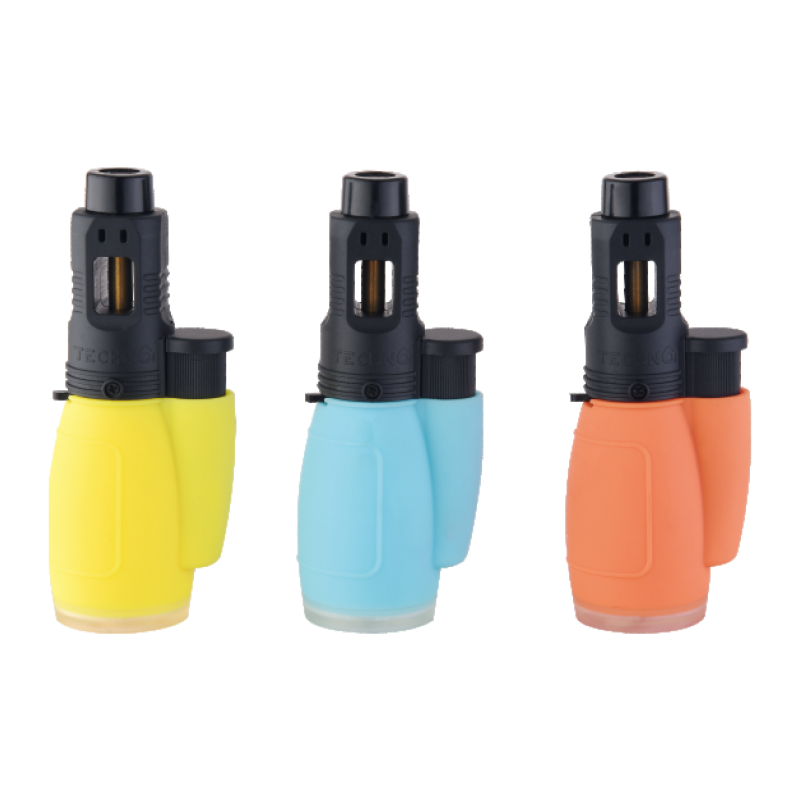
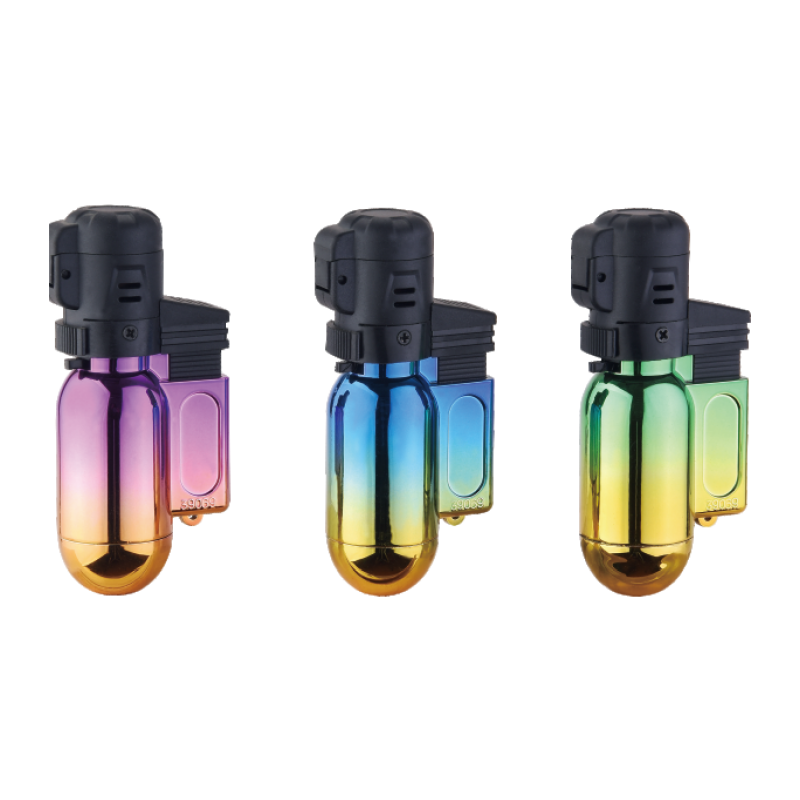
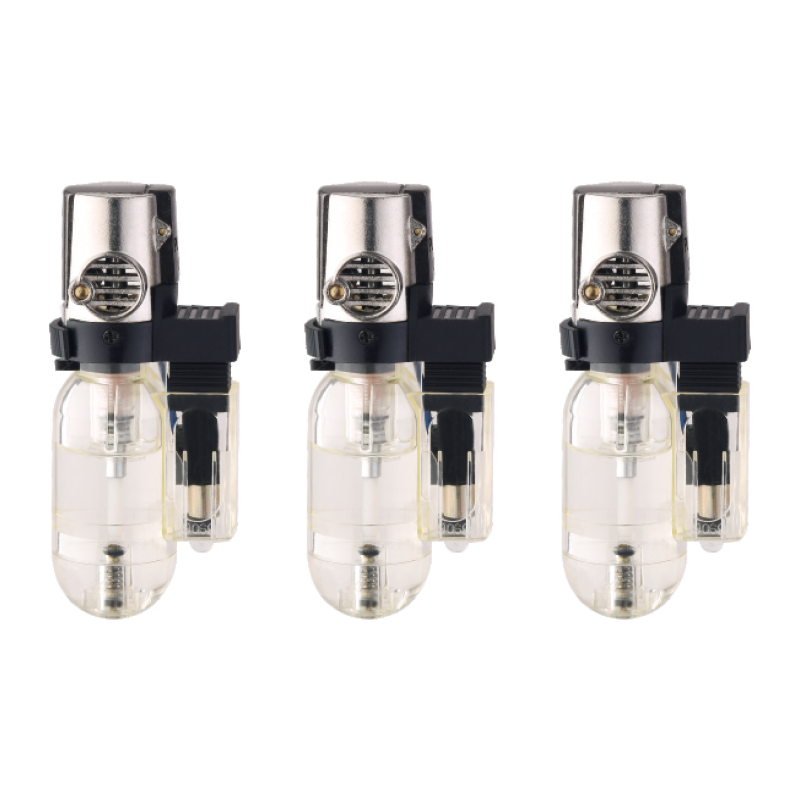
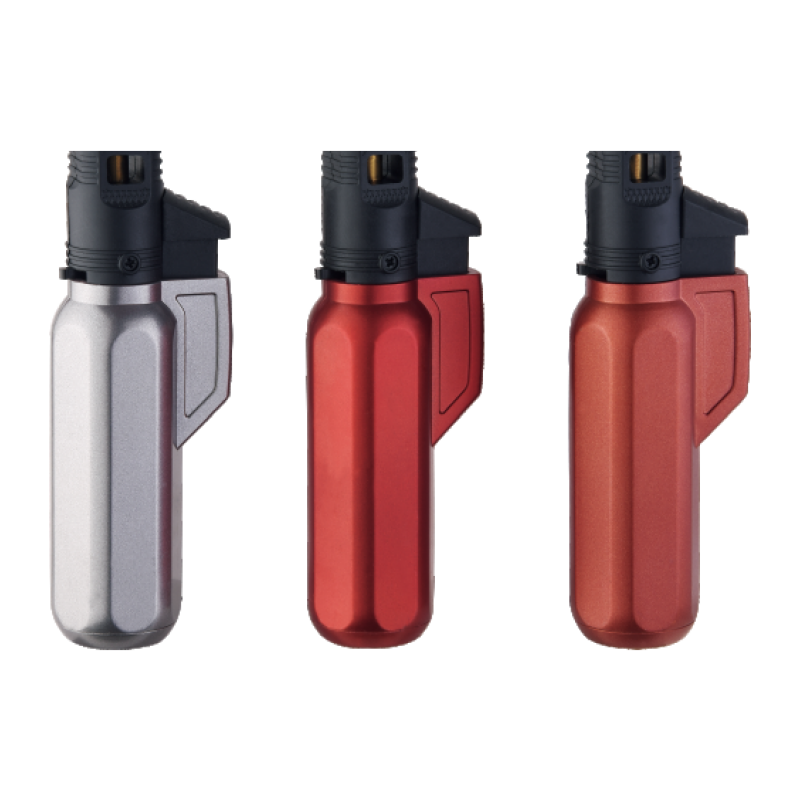

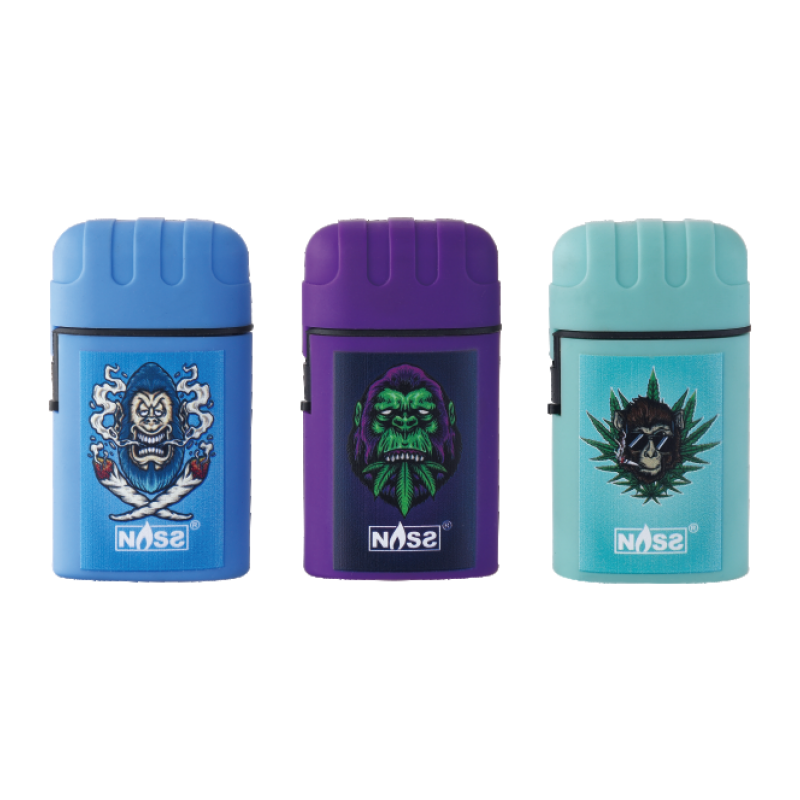
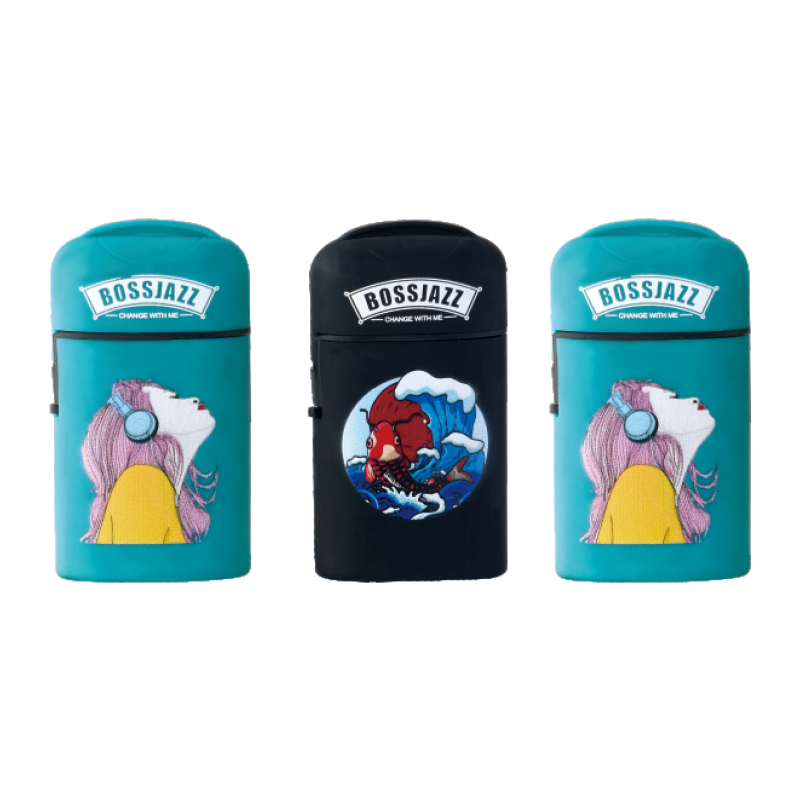
Critical Specifications to Evaluate in Urgrette Torch Lighters
Evaluating specifications is fundamental when choosing urgrette torch lighters. Key specifications to consider include:
Flame Type: Determine if you need a torch flame, soft flame, or a combination. Torch flames are ideal for high-temperature tasks, while soft flames are often used for light applications. If you require a versatile flame option, look into both Normal Flame and Jet Flame models.
Fuel Type: Urgrette torch lighters may use butane or other fuel types. Ensure the chosen lighter is compatible with the fuel type that fits your operational needs.
Size and Weight: Depending on the application, the size and weight of the lighter can impact handling and portability. For instance, lighter models are more suitable for portable uses, while larger models might offer better performance for stationary tasks.
Durability: Examine the materials used in construction and the expected lifecycle of the product. A robust design can withstand demanding environments, reducing the frequency of replacements.
Ignition Mechanism: Evaluate whether the lighter uses a piezoelectric ignition or a traditional flint. Piezoelectric ignitions are generally more reliable and require less maintenance.
Capacity: Check the fuel capacity, as this determines how long the lighter can be used before needing a refill. Higher capacity models are ideal for extended use without interruptions.
Understanding these specifications will help you narrow down options that align with your operational requirements.