Quality Refillable BBQ Lighters for B2B Needs

Contact me immediately if you encounter problems!

All Categories

refillable bbq lighter

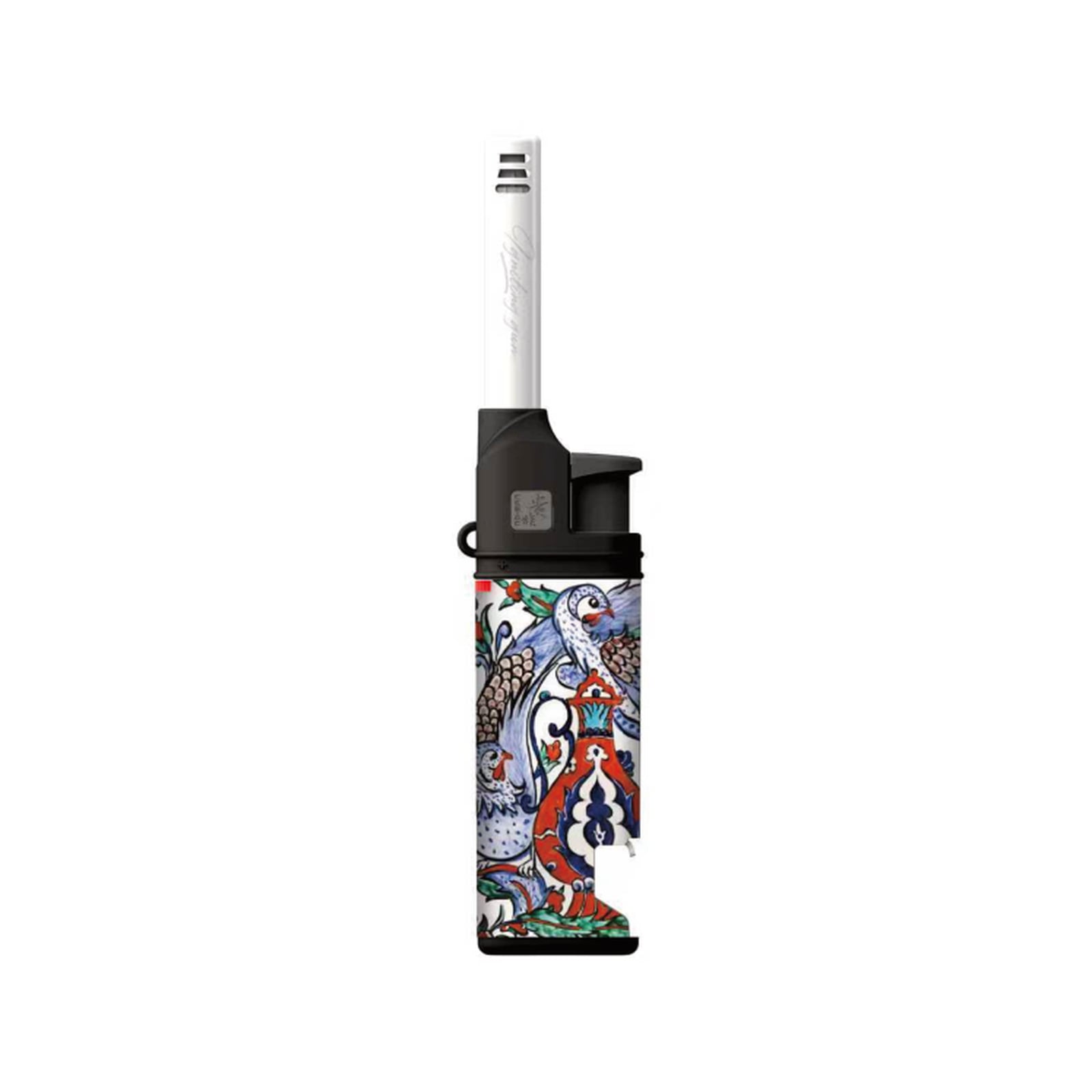
Refillable BBQ lighters are essential tools for both commercial and residential grilling applications, offering a practical solution for igniting charcoal, gas, and other fuel types. For B2B buyers such as purchasing managers, distributors, and engineers, understanding the quality, sourcing, and application of these lighters is crucial. This article will provide insights into evaluating quality standards, finding reliable suppliers, comparing costs, installation guidance, and exploring various applications of refillable BBQ lighters in the industry.
Our Products

Where to Find Reliable Suppliers for Refillable BBQ Lighters

Finding reliable suppliers for refillable BBQ lighters involves thorough research and evaluation. Key strategies include:

Industry Trade Shows: Attending trade shows specific to the grilling and outdoor equipment sector can provide direct access to manufacturers. This allows buyers to assess product quality firsthand and establish relationships with suppliers.

Online Marketplaces: Platforms like Alibaba or Global Sources can connect buyers with manufacturers. However, it’s essential to conduct due diligence by checking supplier ratings, reviews, and certifications.

Networking: Engaging with industry associations or professional networks can lead to recommendations for reputable suppliers. Connecting with other businesses can provide insights into their experiences with specific manufacturers.

Factory Audits: For larger orders, conducting a factory audit can ensure the supplier’s production capabilities align with expected quality standards. This process helps verify the reliability and ethical practices of the manufacturer.

By leveraging these approaches, buyers can secure trustworthy suppliers that align with their quality requirements and operational needs.

Comparing Cost Factors for Refillable BBQ Lighters in Bulk Purchases

When purchasing refillable BBQ lighters in bulk, several cost factors should be compared to ensure a competitive price point:

Unit Pricing vs. Total Cost: While the unit price is crucial, buyers should also consider additional costs such as shipping, customs duties, and handling fees. A lower unit price may not always reflect the total cost of acquisition.

Minimum Order Quantities (MOQ): Some suppliers may impose MOQs that could affect overall pricing. Buyers should assess whether they can meet these quantities without excess inventory.

Customization Costs: If customization is required—such as branding or specific colors—buyers should factor these costs into the overall budget. Customization can enhance product appeal but may come with added expenses.

Payment Terms: Different suppliers may offer varied payment terms. Early payment discounts or flexible payment options can significantly impact overall costs.

Understanding these factors enables buyers to make informed decisions that balance cost with quality and service.

Installation Guidance for Refillable BBQ Lighters in Commercial Settings

For businesses incorporating refillable BBQ lighters into their operations, proper installation and usage are critical for safety and efficiency:

User Training: Staff should receive thorough training on the correct use of refillable lighters. This includes how to refill the lighter safely and understand its safety features.

Storage Conditions: Lighters should be stored in a cool, dry place, away from direct sunlight and heat sources, to prevent degradation of materials and ensure safe operation.

Maintenance Checks: Regular inspections should be scheduled to ensure lighters are functioning correctly. This includes checking for leaks, ensuring the ignition mechanism is operational, and confirming that refills are handled correctly.

Compliance with Regulations: Businesses must adhere to local safety regulations concerning the storage and handling of flammable materials. Ensure that employees are informed about these regulations to maintain a safe working environment. By following these installation guidelines, businesses can maximize the effectiveness and safety of refillable BBQ lighters in their commercial applications.

Exploring Applications of Refillable BBQ Lighters in the Industry

Refillable BBQ lighters serve various applications across multiple industries beyond casual grilling:

Catering Services: Catering companies often use refillable lighters for outdoor events and barbecues, providing a reliable ignition source for grills and other cooking equipment.

Restaurants and Food Trucks: Many food service establishments utilize refillable lighters for gas grills and cooking appliances, ensuring efficient and controlled ignition processes.

Manufacturing: Industries that require flame-based applications, such as metalworking or fabricating, can also benefit from refillable lighters that offer precision ignition for various tasks.

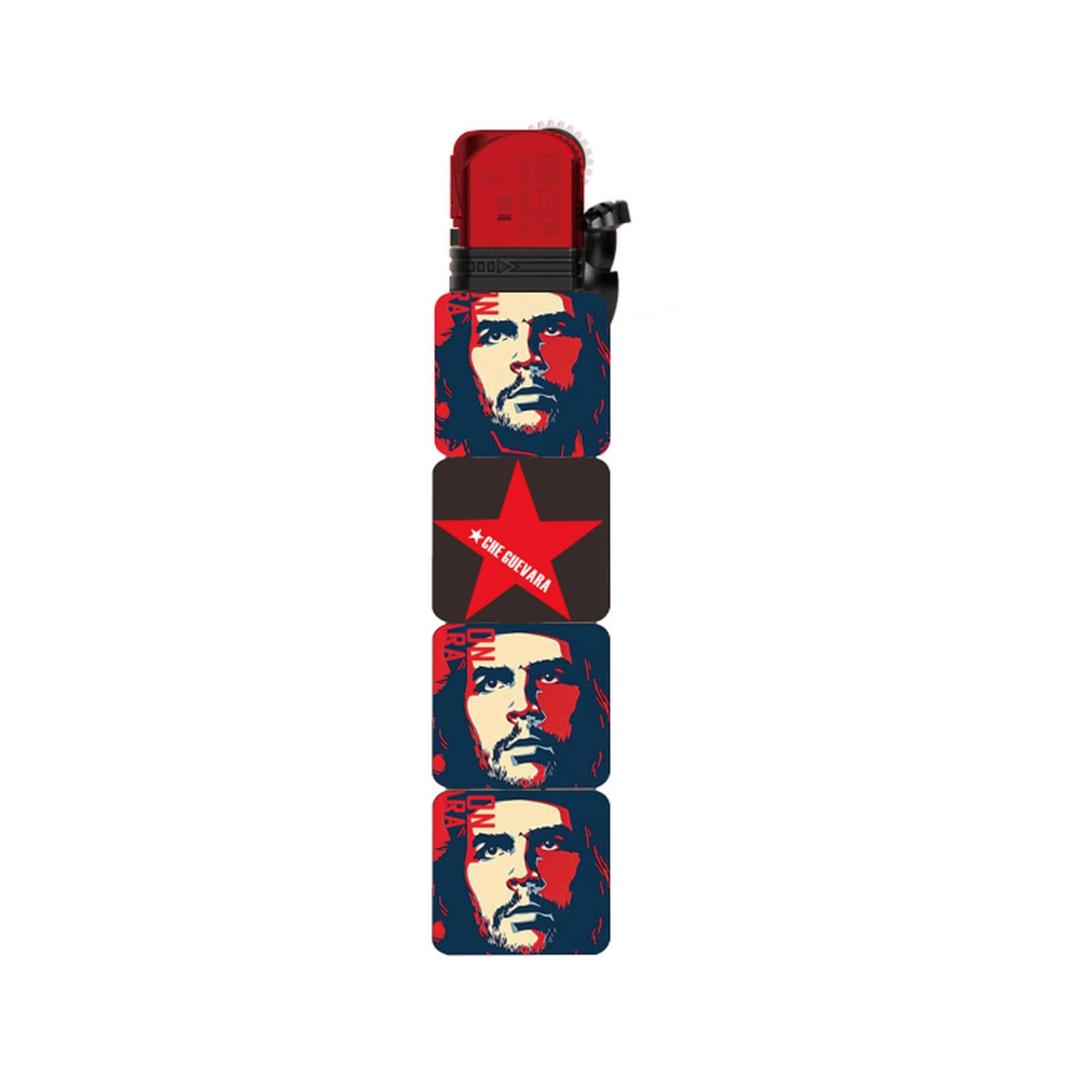
Promotional Products: Companies often customize refillable lighters as promotional items, providing a practical and branded gift for customers. Understanding the customization possibilities can enhance brand visibility and customer engagement, especially with options like Turbo Flame lighters.

By recognizing these applications, buyers can better appreciate the versatility and potential market reach of refillable BBQ lighters, aligning their purchasing decisions with broader business strategies.

Evaluating Quality Standards for Refillable BBQ Lighters in Wholesale

When sourcing refillable BBQ lighters, assessing quality standards is paramount. Buyers should consider several key specifications:

Material Composition: High-quality lighters are often made from durable plastics that can withstand high temperatures. Look for lighters that use heat-resistant materials to ensure longevity.

Safety Features: Essential safety features include child-resistant mechanisms and reliable ignition systems. Buyers should confirm that the lighters meet safety standards such as ISO or ASTM, which ensure they are safe for consumer use.

Refill Mechanism: The refillable aspect should be easily accessible and compatible with standard fuel types. Buyers should evaluate how simple it is to refill the lighter, as user-friendly designs enhance customer satisfaction.

Quality Control Processes: Prospective buyers should inquire about the manufacturer’s quality control measures, including testing procedures during production. A robust quality assurance system can prevent defects and ensure consistent performance. Understanding these quality standards helps mitigate risks associated with product performance and safety, especially when considering options like Jet Flame or Normal Flame lighters.

Get a Free Quote

Our representative will contact you soon.
Email
Mobile
Name
Company Name
Message
0/1000

Related product categories