How to Choose the Right Cobber Torch Lighter

Contact me immediately if you encounter problems!

All Categories

cobber torch lighter

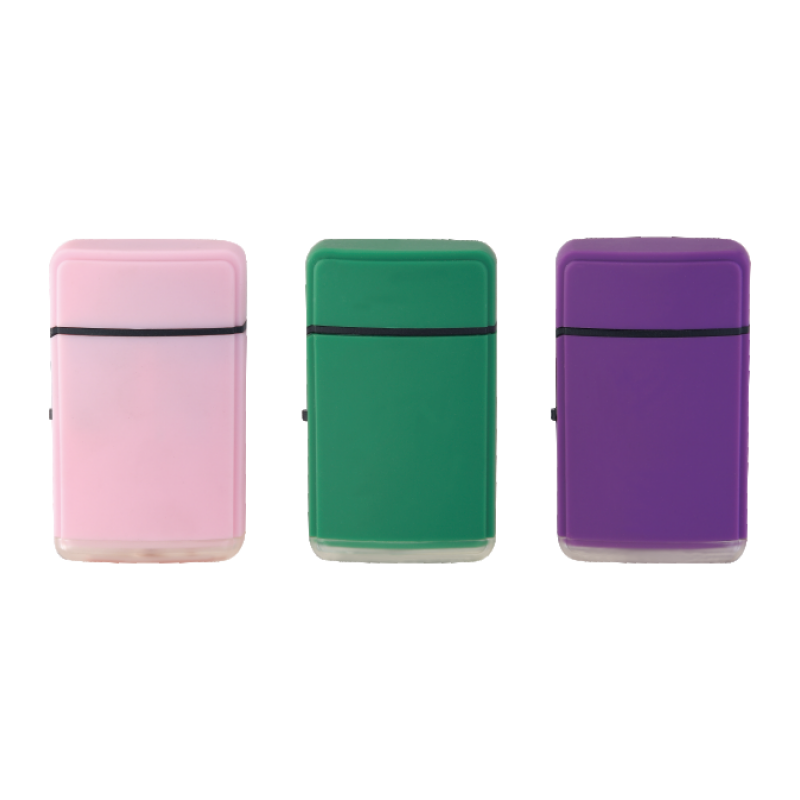
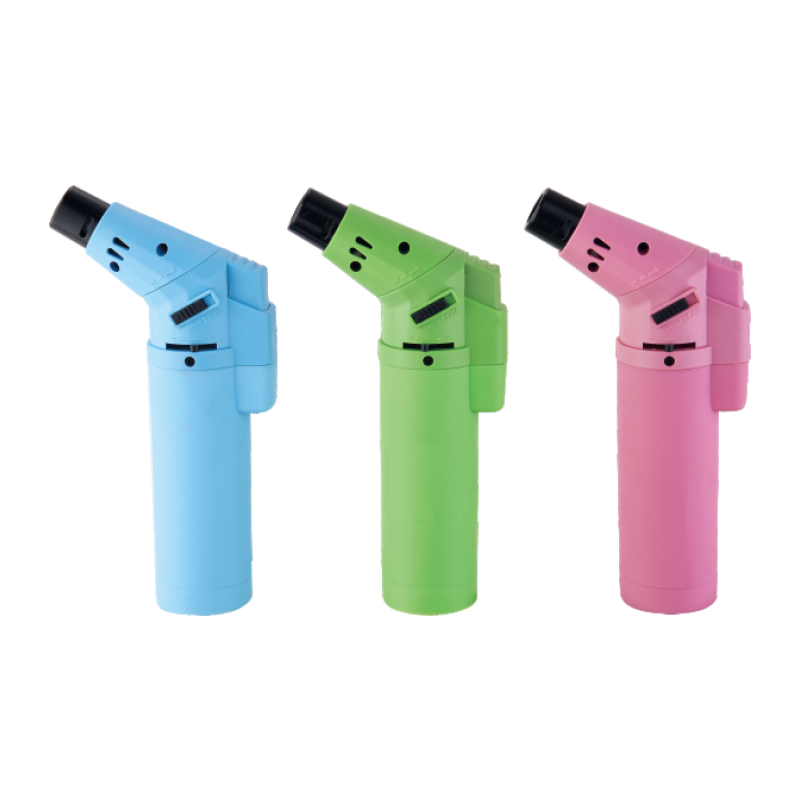
A cobber torch lighter is a specialized tool designed for high-temperature applications, widely used in various industries for tasks such as soldering, brazing, and culinary uses. For purchasing managers and distributors looking to source these lighters, understanding key specifications, installation requirements, and potential issues is crucial for making informed decisions. This article will provide detailed insights into selecting the right cobber torch lighter, including essential specifications, factors affecting costs, installation guidance, and common problems along with their solutions.
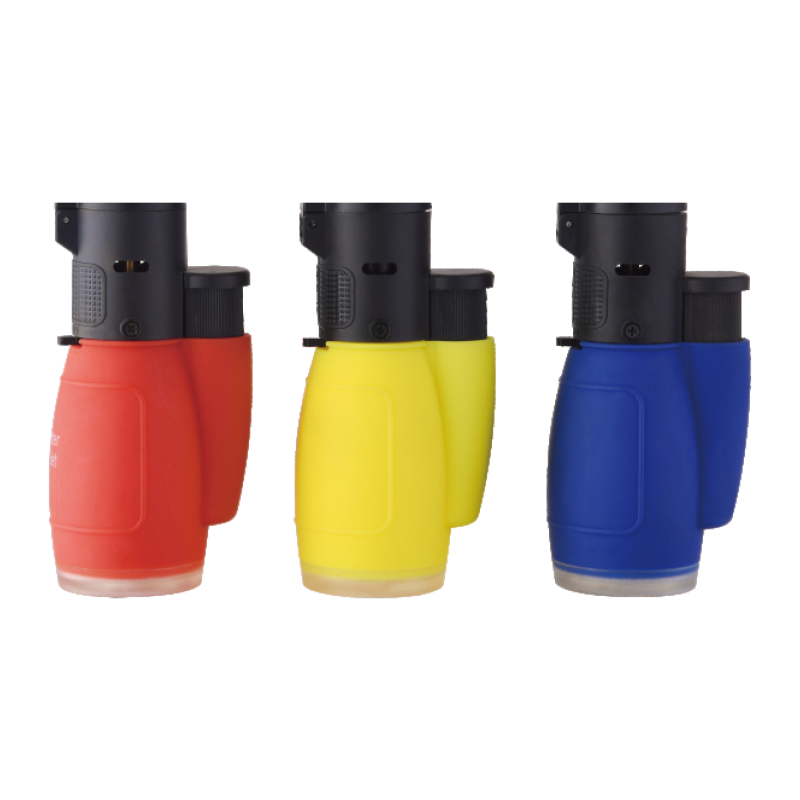
Our Products

Key Specifications of Cobber Torch Lighters for Bulk Purchases

When purchasing cobber torch lighters in bulk, confirm essential specifications that impact performance and safety. Important specifications include:

Flame Temperature: Typically, cobber torch lighters can reach temperatures between 1,300°C to 1,500°C. Ensure the temperature aligns with your intended application.

Fuel Type: Most cobber torch lighters use butane or propane. Different fuels produce different flame characteristics—understanding these will help match the lighter to its intended use. For example, a Jet Flame lighter might be ideal for specific high-temperature tasks.

Material Construction: The lighter's body should be made from durable materials like ABS plastic or aluminum to withstand high temperatures and impacts.

Ignition Mechanism: Look for lighters with piezoelectric ignition systems, which provide reliable and consistent ignition without the need for flint.

Safety Features: Features like child safety locks and adjustable flame sizes are critical, especially in environments where safety is paramount.

By ensuring these specifications meet your needs, you can enhance operational efficiency and safety in your applications.

Cost Factors to Consider When Purchasing Cobber Torch Lighters

Several factors influence the cost of cobber torch lighters, which can vary significantly based on specifications and order volume. Key considerations include:

Material Quality: Higher-grade materials typically increase production costs. Evaluate whether the durability and performance benefits justify the price increase.

Fuel Type: The choice between butane and propane fuels can also affect the overall cost. Butane lighters may be less expensive but might not deliver the same performance as propane models in high-heat applications.

Customization: If you require custom branding or specific design modifications, this can increase costs. Discuss these needs early in the procurement process.

Order Volume: Many manufacturers, like Ningbo Shunhong Lighter Manufacture Co., Ltd., often offer bulk pricing incentives. Higher Minimum Order Quantities (MOQs) can result in significantly lower per-unit costs.

Shipping and Logistics: Consider logistics costs, especially for international shipping, as these can affect the total expenditure. Ensure you factor in potential customs duties and handling fees.

By analyzing these factors, you can better manage your budget while acquiring high-quality cobber torch lighters.

Installation Guidance for Cobber Torch Lighters in Various Applications

Installation of cobber torch lighters should align with specific application requirements to ensure optimal performance and safety. Here are some general guidelines:

Work Environment Preparation: Ensure the area is well-ventilated, especially when using lighters for soldering or brazing. Combustible materials should be kept at a safe distance.

Secure Mounting: If applicable, mount the torch securely in a designated holder or workstation to prevent accidental falls or misfires during use.

Testing: Before mass usage, test the lighter in controlled conditions to ensure it meets the required flame specifications and safety standards. Check for leaks and ensure the ignition system functions correctly.

User Training: Provide training for employees on the proper use and maintenance of the lighters. This includes instruction on adjusting flame heights and proper refueling techniques.

Maintenance Protocols: Establish routine checks for wear and tear. Regular maintenance can prolong the life of the lighter and maintain safety standards.

Following these guidelines will help ensure the effective and safe use of cobber torch lighters in various settings.

Common Problems with Cobber Torch Lighters and Their Solutions

Despite their reliability, cobber torch lighters can encounter issues. Here are some common problems and their solutions:

Flame Failure: If the lighter fails to produce a flame, check the fuel levels, as low fuel can prevent ignition. Additionally, inspect the ignition mechanism for any damage or blockages.

Inconsistent Flame: An inconsistent flame may arise from a clogged nozzle or improper fuel type. Regular cleaning and using the correct fuel can mitigate this issue.

Overheating: If the lighter becomes too hot during use, it may indicate overuse or a malfunctioning safety feature. Allow the lighter to cool down between uses and ensure all safety features are functioning properly.

Leaking Fuel: Fuel leaks can pose safety hazards. If you notice gas odors, immediately stop using the lighter and check for leaks. Consult the manufacturer for solutions or replacements if necessary.

Handling Issues: If users report discomfort or difficulty in operating the lighter, reassess the design and ergonomics. Consider alternatives that may provide better user experience.

By addressing these common issues proactively, you can ensure long-term satisfaction and safety with your cobber torch lighters.

How to Choose the Right Cobber Torch Lighter for Your Business Needs

When selecting a cobber torch lighter, consider the specific applications and use cases within your business. Key factors include flame type and temperature range. For instance, a butane refillable torch may suit culinary applications due to its clean burn and adjustable flame, while a propane torch may be preferable for metalworking tasks, providing higher heat output. If you're interested in different flame types, you might want to explore our Normal Flame options.

Additionally, evaluate ergonomics, such as handle comfort and user-friendliness. If your workforce will be using these lighters for extended periods, a lightweight design with a comfortable grip is essential to minimize fatigue. Finally, consider the lighter's safety features, such as an ignition lock and flame guard, to ensure safe operation in various environments.

Get a Free Quote

Our representative will contact you soon.
Email
Mobile
Name
Company Name
Message
0/1000

Related product categories